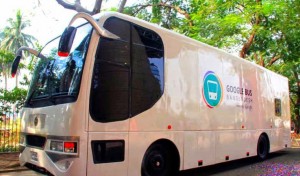
DHAKA: Google launched its “digitally equipped bus” to host workshops at 500 campuses in 35 locations around Bangladesh. The plan is to introduce Bangladeshi students to entrepreneurs, technology, and the Internet to get them working on their own startups and projects. According to Google, Only 10 million of Bangladesh’s 165 million people use the Internet.
But this big educational push is really about two things: spreading Internet access and tapping into Bangladesh’s large population of mobile users (70 percent of all Bangladeshi’s use mobile phones).


There’s an emphasis here on providing students with access to Android One devices, so it’s clear this initiative is about growing Android’s ecosystem of apps for Southeast Asian markets.
Google has already launched the bus in the Bangladeshi city of Dhaka and has plans for Chittagong, Khulna, Sylhet, Rajshahi, Rangpur and Barisal.
As we all know, Google loves projects aimed at growing Internet access. Remember Project Loon? Google’s fleet of low-orbit balloons that will one-day give Internet access to all? Or how about, Google Fiber, the company’s U.S. based fiber-optic Internet project, which some have speculated is merely an attempt at scaring telecom carriers into growing their own networks. Google is also reportedly teaming up with SpaceX in a $1 billion deal to build a network of satellites capable of delivering Internet to remote regions.
All this to say, these new on-the-ground efforts are far from surprising. But the Google Bus Bangladesh shows that Google is not only taking a sweeping approach to spreading Internet access and its brand, but also that it’s willing to drop a lot of money to do it.