HARARE: The cash-strapped government has appealed to development partners for some $300 million to avert starvation in the country after the staple maize harvest collapsed by about 50 percent this year.
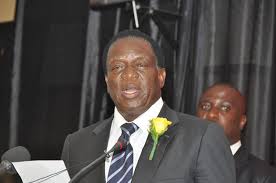
The appeal was issued by Acting President Emmerson Mnangagwa on Monday at an event to launch the Zimbabwe Zero Hunger Strategic Review Report.


“Approximately $300 million is required to import food to cover the deficit and see us through to the next harvest, hoping that it will be significantly better than the current one,” said Mnangagwa.
“While we need 1,4 million tonnes of maize a year for consumption, our produce for the 2014-15 season has gone down by approximately 49 percent.
“I am therefore calling upon all our partners, from development agencies and the private sector, to assist us in providing the necessary resources to ensure that none of the communities nationwide is exposed to hunger and starvation.”
President Robert Mugabe has since vowed no one would starve but did not say where his financially crippled government would find the money for grain imports.
The poor harvest means Zimbabwe will need to import about half the maize it requires in 2015, at a time when harvests in neighbouring South Africa and Zambia, its regular source of imports, are also falling.
Small-scale farmers – including beneficiaries of the country’s land redistribution programme, which saw land seized from white farmers – contributed 80 percent of Zimbabwe’s total maize production during the 2013-14 growing season.
Joseph Made, the country’s agriculture minister, blames the declining harvests on climatic shifts that have cut rainfall to the country’s rain-fed fields. Declining government support is also playing a role, however.
During the 2013-14 growing season, the government pumped $161 million in free maize seed and fertilizer into 1.6 million household farms, according to Finance Minister Patrick Chinamasa.
But Zimbabwe’s 2014 agriculture ministry budget has fallen by more than half, from $390 million in 2013 to $174 million in 2014, Chinamasa said.
That has resulted in less money to support small-scale farmers this season, Chinamasa said. He accused banks of being reluctant to step in and offer cheap loans to farmers to help make up the shortfall.
However, many resettled farmers in Zimbabwe do not have title to their land, which prevents them from accessing bank loans, experts said.