ISLAMABAD: After protests by local refineries, the government has notified a complete ban on import of furnace oil, ending an earlier exemption allowed to K-Electric.
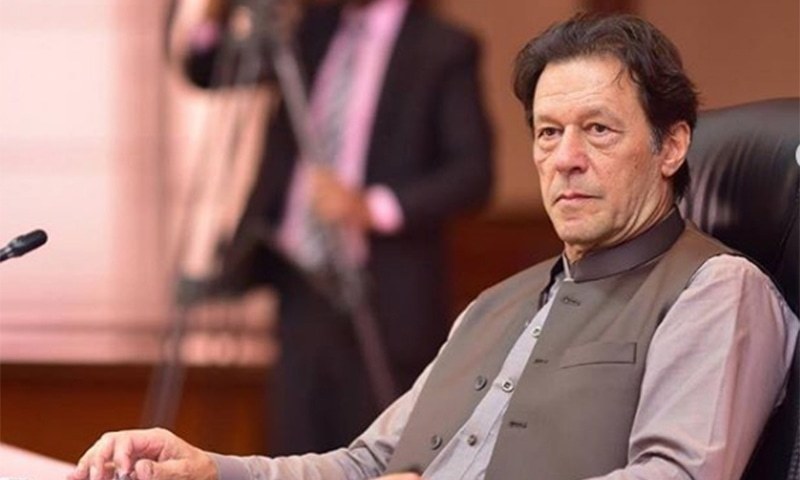
The decision was reportedly taken at a recent meeting of the Cabinet Committee on Energy (CCoE), presided over by Prime Minister Imran Khan.


Informed sources said the government had ordered a ban on import of furnace oil last month, but the Pakistan State Oil (PSO) was granted an exemption in the case of the furnace oil. However, local refineries protested over the decision. The PSO has a long-term furnace oil supply contract with the KE.
These sources said that chairman of Oil Companies’ Advisory Council (OCAC) Adil Khattak who was also managing director of Attock Refinery wrote letters to the petroleum division questioning the justification for allowing furnace oil imports for KE which was the only constant consumer with 4000-5000 tonnes per day consumption. PM Khan ends exemption given to K-Electric to import commodity through PSO
He believed that the ban on import of the product for other power plants was meaningless given their seasonal needs — only at the time of canal closures and low gas supplies.
The matter was brought to the notice of Prime Minister Imran Khan at a CCoE meeting who ordered “to continue the ban on import of furnace oil which will also apply to K-Electric as well”, says a notification issued on Jan 23.
The order asked the OCAC to convey the prime minister’s directives for a complete ban on furnace oil import to all oil marketing companies and refineries for immediate compliance.
The local refineries have been facing production and operational challenges because of FO storage capacity constraints. As a short-term solution, the refineries were asked last month to export up to 90,000 tonnes of FO and transfer 60,000 tonnes to storages of power plants to vacate storage tanks of refineries. It was reported that total furnace oil storage capacity of all refineries put together stood at 164,000 tonnes and the storages were full to capacity, forcing refineries to reduce capacity utilisation to avoid supply chain disruption of petroleum products, including shortage of refined products to defence and aviation sectors, particularly of jet fuel.
The country’s six refineries were producing 10,000 tonnes of furnace oil but the power sector has been reducing its consumption because of being the most expensive generation. Mr Khattak believed that the KE’s demand for furnace oil should be met from local production and the PSO should not resort to imports for KE.
Power plants had a storage capacity of more than 1.2 million tonnes. The oil marketing companies, mostly the Pakistan State Oil (PSO), had a storage capacity of more than 400,000 tonnes, but they were not interested in lifting furnace oil due to lower demand and their choked credit lines.
The total receivables of the PSO alone were now in access of Rs365bn, including about Rs261bn due from the power sector. Officials said that the only solution in the medium to long term was to keep exporting around 200,000 tonnes of furnace oil per month and gradually shift all refineries to hydrocracker units to produce higher quality of products instead of furnace oil.
The problem, however, was an estimated investment requirement of between $2 and $3bn over a period of 3 to 5 years to upgrade all refineries which wanted subsidies and incentives from the government, including through increase in product prices.
The FO is the dirtiest and the most inefficient petroleum product just above crude oil but based on obsolete technologies most of the Pakistani refineries produce up to 30 per cent of FO out of their total capacity utilisation.
The government has been following a plan for years to replace FO with imported liquefied natural gas (LNG) for cheaper and efficient electricity production. The government has also been asking all refineries to utilise billions of rupees in annual ‘deemed duty’ they collect on petroleum products to upgrade their refining facilities.