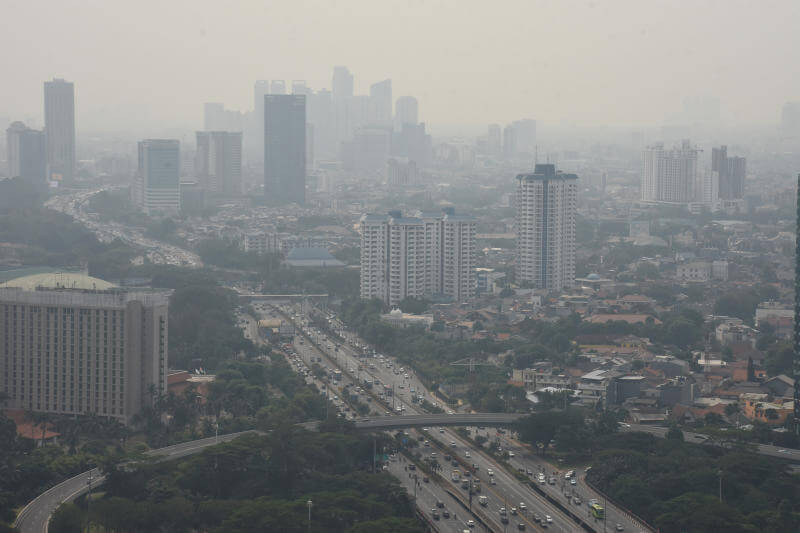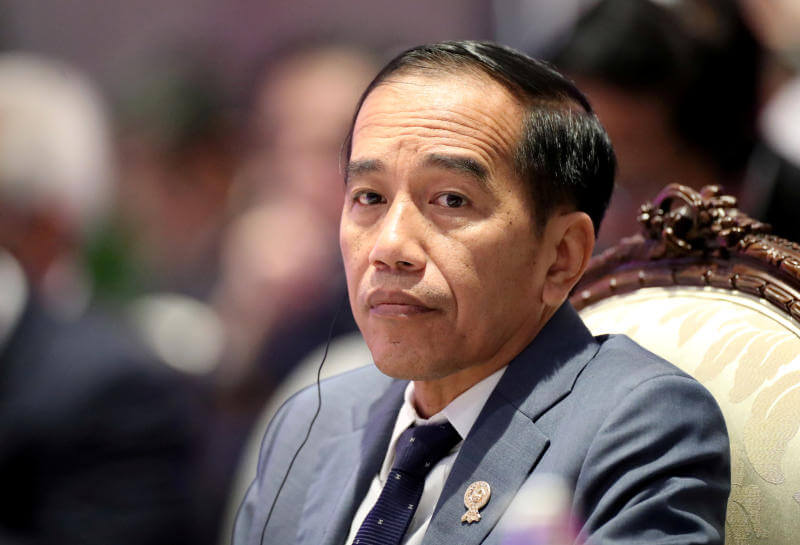
JAKARTA: Indonesian President Joko Widodo is still chasing some US$150bil to fund his ambitious nation-building agenda, almost halfway into a five-year infrastructure plan. The government has so far received pledges for just over half the funds needed to help develop the road, airport and railway projects planned in a US$327bil pipeline, latest government figures show. Just US$15bil has come from the state budget, with the bulk committed by private investors, including from China. Widodo, known as Jokowi, needs outside money for his nation-building programme after government revenue was battered by the end of the commodities boom and as tax compliance remains poor. With China making a massive push to build infrastructure and new trade routes across Asia through its Belt and Road Initiative, the world’s second-largest economy looms large as an obvious backer for Jokowi’s plans. In reality, there is only a handful of countries with a surplus of money,” Rainier Haryanto, the programme director of the Indonesian government’s Committee to Accelerate Priority Infrastructure, said in an interview in Jakarta. “The US, they are in debt. The Japanese, they are also in debt,” he said, but the Chinese have the money to lend. Some urgency may be required. The World Bank says Indonesia has a US$1.5 trillion infrastructure gap compared to other emerging economies. A lack of good roads and transport corridors across the archipelago a string of more than 17,000 islands that would stretch from New York to London are adding to logistical barriers and driving up costs for business.
Of Jokowi’s pipeline of 265 projects, 26 have been completed since the programme started in 2016 at a cost of US$3.4bil, including US$976mil on six projects finished last year, according to Haryanto. There are a further 145 under construction, documents show.

“They are making good progress and momentum is building, considering that they had a relatively slow start,” said Euben Paracuelles, senior economist for South-East Asia at Nomura Holdings Inc in Singapore. “The fact that there is a lower contribution from the government budget reflects the criteria that they used to identify these projects, including the viability for the private sector to participate.”