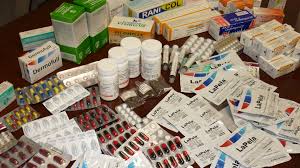
DUBLIN: Sedatives and products to treat erectile dysfunction and weight loss accounted for the bulk of counterfeit medicines seized by the Health Products Regulatory Authority (HPRA) last year.
In all, more than 730,000 bogus medicines were detained, of which sedatives made up 56%, erectile dysfunction products 13%, and weight loss products 7%.


Where the recipient could demonstrate that the supply was legitimate, the medicines were forwarded to that person, otherwise packages were destroyed.
A spokesperson for the HPRA said where the indications were that the recipient may have intended to supply the product to others, this was subject to further investigation.
READ NEXT Aqua farmers warned as massive algae bloom threatens fish and marine life
There were 3,703 enforcement cases opened by the HPRA, while 10 District Court prosecutions were initiated. Offences prosecuted included procurement and importation without legal authorisation, supply of prescription-only medicines without prescription, and wholesale of medicines without a wholesaler’s authorisation.
Falsified medicines include any product with fake labelling or packaging, or false representation vis-a-vis its composition, source or history, including records and documents relating to distribution channels used.
The HPRA figures are contained in its 2014 annual report, published yesterday. Other key statistics include:
2,884 suspected adverse reaction reports associated with the use of human medicines. More than 600 of these related to medicines known as ‘monoclonal antibodies’ used in the management of, inter alia, severe debilitating autoimmune disorders, cancer treatment and in the prevention of transplant rejection;
286 adverse reaction reports related to vaccines used in the national immunisation programme. Some 56 related to the Human Papilloma Virus (HPV) vaccine, given to school girls to prevent cervical cancer;
198 related to clozapine, used to treat schizophrenia.
The spokesperson said it was “important to note that in many instances adverse reaction reports are submitted on the basis of suspicions occurring during observation of an unexpected and/or unwanted event associated with treatment.
Adverse reaction reporting rates are influenced by a number of factors, including the circumstances of their use, their ease of recognition, extent of use and publicity”.
A total of 102 medicine recalls were initiated in 2014. 2,113 medical device vigilance reports were received.
Pat O’Mahony, HPRA chief executive, said the authority continu