MEXICO CITY: Homemade raft overloaded with desperate people is the most enduring image of the decades-long migration to the U.S. from Cuba that is not the way most Cubans without visas now arrive.
“It is surprising. And it is surprising that we are now seeing those numbers officially reported,” said Jorge Duany, a Florida International University professor who studies migration patterns.


During the last three months of 2014, nearly 6,500 Cubans arrived at the U.S.-Mexico border, according to U.S. Customs and Border Protection. That figure is up from 4,328 from the same period the previous year, an increase of 50 percent.
The number of Cubans without visas processed through the agency’s Miami field office more than doubled over that same period, rising from 893 to 2,135. Many flew directly to Miami aboard flights from Spain, South America, the Bahamas or the Cayman Islands, using passports from Spain and other third countries.
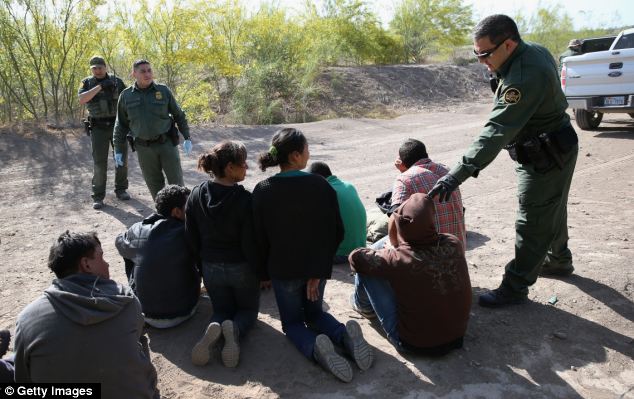
The 1,900-mile long Southwest border, for years the main entry point for undocumented migrants from Mexico and Central America, was also ground zero for a recent spike in Cuban migrants that is only now beginning to subside.
The spike includes arrivals of Cubans by air and sea, and was fueled in part by fears that talks between the Obama Administration and Cuba could result in changes in the preferential treatment undocumented Cuban migrants have enjoyed since 1966.
Rumors that the Adjustment Act — and the 1995 amendment providing for the so-called “wet-foot, dry-foot” policy – was at risk began to sweep the island in the wake of President Obama’s Dec. 17 speech in which he said the U.S. wanted to normalize relations with the Castro government. Existing policies allow Cubans who reach U.S. soil– with or without visas – to stay and within a year apply for permanent residency.
“The primary concern is the possibility of the Cuban Adjustment Act being affected,” said Oscar Rivera, director of the resettlement agency Church World Service in Doral. “That seems to be an issue in Cuba right now. That’s what we’re hearing.”
The surge in Cuban migrants triggered by the announcement may be most evident in the number of Coast Guard interdictions at sea. In December 2014, 331 Cubans in boats and rafts were stopped before they could reach the U.S. All were taken back to Cuba.
During the last three months of 2014, 132 Cubans made it to shore in Florida, up from 105 during the same period in 2013, according to Border Patrol figures.
Unknown is the number who landed without being detected and did not report to U.S. officials, or who perished at sea.
But balseros, or rafters, make up only a fraction of those attempting to reach the U.S. “It is no longer chiefly the heroic individual who floats himself across,” said Duany, director of FIU’s Cuban Research Institute. “Much of the traffic in people now is well-organized by smuggling groups.