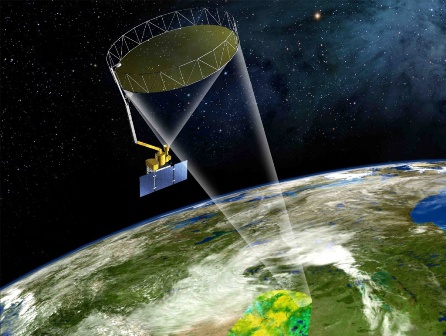
MEXICO: The National Aeronautics and Space Administration scrubbed the liftoff of its SMAP satellite due to poor weather.
NASA’s Soil Moisture Active Passive satellite would have been launched into orbit in the early hours of January 29th, but high altitude winds over the Vandendberg Air Force base launch pad in California made the space agency re-think the launch at the very last minute. NASA plans to attempt launching the satellite again no Friday, January 30th, as long as the weather conditions improve enough to permit it.


SMAP, which will eventually ride atop a Delta II rocket furnished by United Launch Alliance, a partnership between aerospace engineering giants Boeing and Lockheed-Martin to provide rockets for launching satellites and spacecraft into orbit. ULA provides rockets both to NASA and to commercial spaceflight companies; Boeing’s space taxi program will rely on a ULA rocket to send it into orbit, much as how commercial spaceflight rival SpaceX uses its own Falcon 9 rocket to send its Dragon cargo capsule into space.
NASA launch manager Tim Dunn said the Delta II was “rock solid” as the countdown commenced early Thursday morning. He characterized the entire countdown as “beautiful, with the rocket and the SMAP satellite having no technical issues whatsoever. But for the upper-level winds raising concerns about the ability of the rocket to leave the atmosphere safely, SMAP would likely be in orbit right now. Thankfully, the weather forecast for January 30th is 90 percent positive, leading NASA officials to be highly confident about Friday’s launch.
The SMAP satellite, developed at a cost of $916 million, will be tasked with monitor moisture content of soil around the globe. The sensitive instruments on board the probe can measure the relative moisture content at a depth of two inches, and the data gathered will be used in order to track worldwide moisture levels, providing for more accurate weather readings and better understanding of conditions like droughts and floods.
SMAP will spend three years in orbit, gathering its information and sending it back like clockwork every three days as it orbits more than 425 miles above the surface of the Earth.