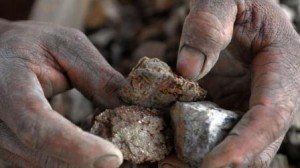
MEXICO: New research suggests that our ancestors used human-like hand postures much earlier than was previously thought. Australopithecus africanus—has exposed that these early species may have used primitive stone tools further back in history than we originally believed.
One piece of evidence is found the trabecular bone of the skeleton. Trabecular bone is flexible and can changes its properties, in slight ways, to better accommodate the kind of repetitive use it is exposed to. So by studying early bones we can determine if a person used a tool; that’s a simple way to explain it.


“We can now confidently assert that some Australopithecus, like Australopithecus africanus did indeed use stone tools as reflected in the way the internal structure of the bones of the hand is arranged,” reports independent archaeologist Darren Curnoe. Dr. Curnoe, of the University of NSW was not involved with the study but remarks that this discovery will change the way archaeologists look at our early African ancestors.
Study co-author Tracy Kivell, from the University of Kent, in Britain, explains, “Forceful precision grips have been linked specifically to stone tool use and tool making, and so it is possible that Australopithecus africanus was using stone tools a well.”