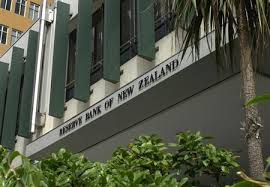
WELLINGTON: New Zealand’s central bank late Wednesday rejigged its schedule for rate decisions, stripping out one monetary policy decision a year as of mid-2016.
The new schedule, which runs through to November 2017, means there will be seven rate decisions a year rather than eight and gives the central bank a three-month gap between November and February, the southern hemisphere summer.


“I think there has always been a feeling that the January review was a bit cursory,” said Deutsche Bank New Zealand chief economist Darren Gibbs in an emailed response. The Reserve Bank of New Zealand’s Head of Communications Mike Hannah said the aim was to ensure the bank had access to the latest key economic data for its policy decisions.
“It also gives the financial markets clarity over a longer time frame to enable more efficient risk management and pricing of financial instruments,” he said. The central bank’s official cash rate is key for banks when it comes to determining mortgage and deposit rates.
Annette Beacher, head of Asia-Pacific currency research at TD Securities in Singapore said the move brings New Zealand’s central bank in line with the Reserve Bank of Australia. Mr. Gibbs said while the bank sets a schedule it can always move in “bigger licks than 25 bps or even move inter-meeting in the extreme.”
A hawk among doves for several years, the Reserve Bank of New Zealand took markets by surprise in June when it cut the cash rate by 25 basis points to 3.25%. It followed that up with a 25 basis point cut in July and economists are expecting at least two more rate cuts this year as it seeks to jump-start inflation while buffering the economy from a dramatic slide in the price of dairy products, New Zealand’s main export.