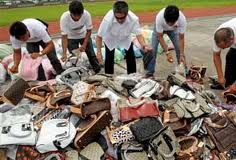
GEORGETOWN: All sorts of stories have circulated about the practice of offering expired and counterfeit brands of food and drugs for sale on the local market. Globally, these practices are multi-million dollar illegal industries and here in Guyana there are people who do a thriving trade in these goods.
The Food and Drugs Analyst Department lacks the capacity to effectively suppress these practices. Evidence of this is to be seen in the fact that counterfeit and expired goods are sold openly on the streets of Georgetown.


One gets the impression from informed discourses that revolve around the issue of expired and counterfeit food and drugs that the inadequacies of the Food and Drugs Analyst Department is not the whole story. In fact, sources in the local legitimate food and drug distribution sector have told this newspaper not only that identifying some of the leading local players in these illegal and dangerous practices is relatively easy but that in some known instances trade in expired and counterfeit goods have been quietly swept under the carpet with no attempt being made to prosecute the offenders.
Here, we wish to make it clear that the key state agency concerned with the monitoring of the bona fides of imported food and drugs sold on the local market, the Food and Drugs Analyst Department, insists that its pursues its functions diligently, within the confines of the law and within the limits of its capacity to do so. In this latter regard, we have found that the Department has not been averse to conceding that some measure of slippage might well be occurring on account of human resource and other limitations which it faces.
The unearthing earlier this week of what would appear to be sizeable volumes of damaged and expired goods which, apparently, were being prepared for sale on the local market, is just the kind of occurrence that brings the wider issue of expired and counterfeit foods and drugs into sharp public focus. One simply cannot accept that in this instance the owner of the goods cannot be identified relatively easily and be made to answer to the authorities. More than that, the seizure of quantities of imported brands points to the need for a considerable tightening up of
Policing mechanisms to oversee food and drug imports. Part of that tightening up process should include a far higher level of coordination between the Customs and Trade Administration and Food and Drugs than had been the case in the past. More than that, government, through the Public Service Ministry and through the specialized training mechanisms at its disposal must move with due haste to enhance the capacity of the Food and Drugs Department to do its work.
The proliferation of the trade in expired and counterfeit foods and drugs will also persist insofar as the perpetrators continue, seemingly, to enjoy the kind of protection to veto lawful attempts to put an end to their illegal, unfair and, above all else, highly dangerous pursuits that are allowed to pass as legitimate business. That too is a matter on which the competent authorities must decide.