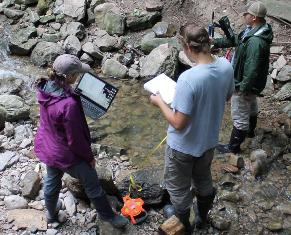


PARIS: According to Paul Brooks, professor of hydrology and biochemistry at the University of Utah, this effort is the first of its kind, with diverse types of observations, including hydrology sampling, water chemistry sampling and biological sampling. Some researchers studied drought stress and interviewed local residents on water use.
“The diversity of types of observations that we’ve made across this spatial scale is as far as we can find, unprecedented,” Brooks said. “People have done similar efforts, but much narrower in focus. This really is a unique data set—an incredible unique data set.”
Because of the large scale of observations, Brooks said it will take time to understand all the data.
“We’ve learned that organizing 50 people from 22 different lab groups and seven universities is a challenge to go out into the field and work together,” Brooks said. “We have hundreds of data, hundreds of samples collected that are now working their way through laboratory analysis and thousands of observations. And so we can’t say that we’ve learned anything at the end of three days of hard work yet. We need to now make sense of the huge amount of data that we’ve had.”
Annalisa Purser, communications specialist at the University of Utah said the effort provides a chance for students to learn from other researchers outside of the classroom.

Pakistan to get $3b loan from Islamic Trade Financing Corporation
ISLAMABAD: Islamic Trade Financing Corporation (ITFC) to provide Pakistan with a $3 billion loan, according to an official statement released...