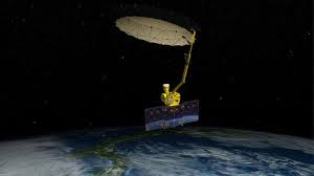

HONG KONG: One of the two key radars on $1-billion Soil Moisture Active Passive (SMAP) satellite has failed, limiting scientists’ ability to take measurements of earth’s soil moisture. NASA has launched the satellite in January this year.
In comparison to the radar that is in no more working condition, the second instrument’s level of detail is quite limited. The high-powered radar system, which was able to gather data in swaths of land that are as small as 2 miles across, stopped working in July. NASA said that investigation is taking place to know the cause of the failure.
SMAP has been designed to spend at least three years in orbit. It will take measurements on the amount of water in the upper two inches of the earth’s soil. Lead researcher Dara Entekhabi, professor at the Massachusetts Institute of Technology, said that the project will make it best efforts to meet the expectations of the science community.
In order to fill in eth gaps, Dara said they will use advanced data processing along with the data from the mission. “What I will miss most about the SMAP radar is the opportunity for chance discovery. It was unique among the other instruments in orbit now because it provided frequent microwave mapping of the Earth’s surface”, said Dara.
The other instrument continues to perform its tasks of receiving, utilizing the same lasso antenna. Currently, scientists estimate soil moisture with the help of computer modeling.

Tesla driverless system to use updated radar technology
WASHINGTON: Electric carmaker Tesla announced Sunday it was upgrading its Autopilot software to use more advanced radar technology. In a...