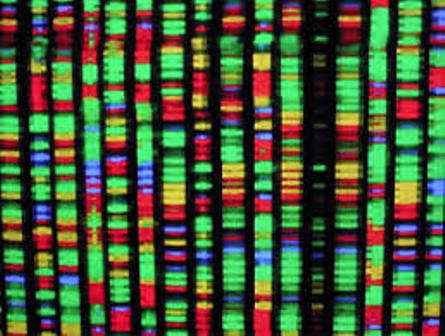

HONG KONG: The first-ever comprehensive map of “human epigenomes” — the structural and chemical “tweaks” that determine how genes govern our health — could lead to new treatment of diseases including cancer, researchers say.
The new map is the result of many years of work by an international group of researchers, analyzing massive amounts of data to understand how, when — and why — genes are turned on or off in human cells to govern our growth and health.
The new map should offer insights into how genetic disruption — when the cellular “tweaks” go wrong — affects a wide range of illnesses, including autism, heart disease and cancer, researchers say.
The human DNA sequence, which is coded the same in every cell of the body, was mapped some time ago, but the epigenome, consisting of the subtle and mysterious choices every cell makes about which genes to express by switching them on and off, is much more complex, scientists say.
“The DNA sequence of the human genome is identical in all cells of the body, but cell types such as heart, brain or skin cells have unique characteristics and are uniquely susceptible to various diseases,” says researcher Joseph Costello of the University of California, San Francisco.
It’s epigenomic action that “allows cells carrying the same DNA to differentiate into the more than 200 types found in the human body,” he explains.
To understand the epigenomic “switches,” the researchers looked at 150 billion sequencing runs of the human genome, then number-crunched that data to focus on the epigenomic changes involved in the creation of 111 different kinds of cells.
Specific changes within cells could be linked to 58 different biological traits, they found.
When those changes happen as intended, they keep genes functioning properly, but mutations occurring from exposure to toxins, poor diet or just the effects of aging can cause a cell’s DNA to either activate improperly or fail to activate — which can result in harmful outcomes and disease, the researchers explain.

Tesla driverless system to use updated radar technology
WASHINGTON: Electric carmaker Tesla announced Sunday it was upgrading its Autopilot software to use more advanced radar technology. In a...