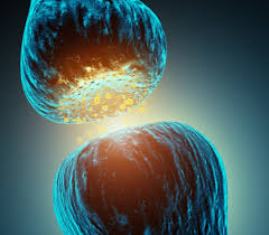

LONDON: Many hormones and neurotransmitters work by binding to receptors on a cell’s exterior surface. This activates receptors causing them to twist, turn and spark chemical reactions inside cells. NIH scientists used atomic level images to show how the neuropeptide hormone neurotensin might activate its receptors. Their description is the first of its kind for a neuropeptide-binding G protein-coupled receptor (GPCR), a class of receptors involved in a wide range of disorders and the target of many drugs.
“G protein-coupled receptors are found throughout the body. Knowing how they work should help scientists devise better treatments,” said Reinhard Grisshammer, Ph.D., an investigator at the NIH’s National Institute of Neurological Disorders and Stroke (NINDS) and the senior author of the study published in Nature Communications.
Neurotensin is thought to be involved in Parkinson’s disease, schizophrenia, temperature regulation, pain, and cancer cell growth. Previously, Dr. Grisshammer and his colleagues showed how neurotensin binds to the part of its receptor located on a cell’s surface. In this study, they demonstrated how binding changes the structure of the rest of the receptor, which passes through a cell’s membrane and into its interior. There neurotensin receptors activate G proteins, a group of molecules inside cells that controls a series of chemical chain reactions.
For these experiments, scientists shot X-rays at crystallized neurotensin receptor molecules. Making crystals of receptors that activate G proteins is difficult. In most studies, scientists have investigated inactive receptors.

Tesla driverless system to use updated radar technology
WASHINGTON: Electric carmaker Tesla announced Sunday it was upgrading its Autopilot software to use more advanced radar technology. In a...