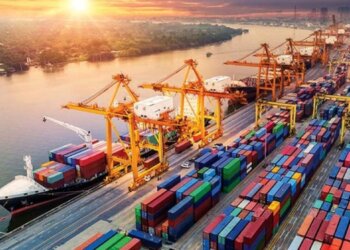
ISLAMABAD: Trade Facilitation Agreement (TFA) will improve customs procedures and other systems between the member states of World Trade Organization.
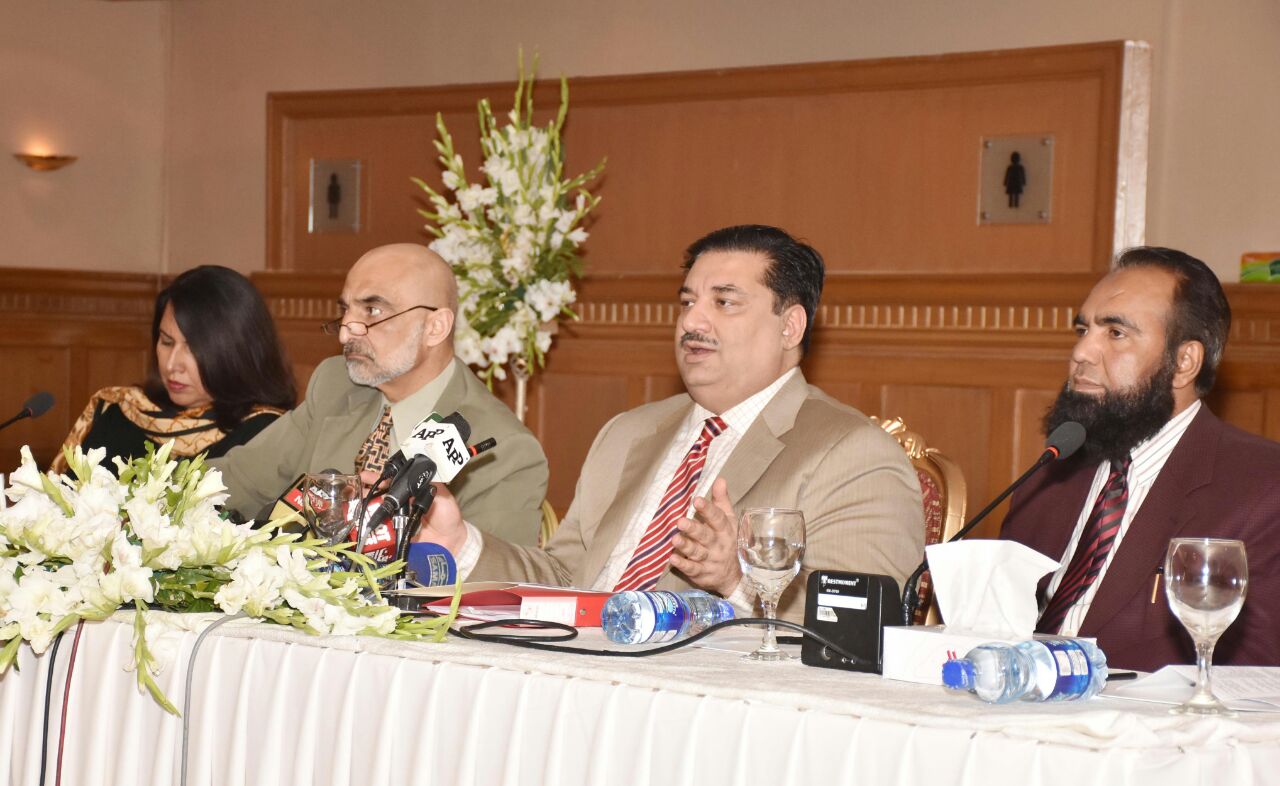
Pakistan is considering to reopen its border with Afghanistan after consulting with all the stakeholders and improving security on the borders, said Federal Minister for Commerce Khurram Dastgir Khan while addressing a press conference.
“Pakistan agrees to tackle trade and security related matters separately and Afghanistan must do the same to enhance the bilateral trade,” the minister asserted. Trade activities with the neighbouring Afghanistan remain suspended since February 17.


He further said, “Afghanistan has not responded to Pakistan’s proposal of signing a Preferential Trade Agreement (PTA).”
He informed that trade policy with India had not been changed, and the government was still pursuing 2012 policy. “There is no hurry in signing a free trade agreement with India,” Dastgir said, and added, “The government will not take any decision against national interests.”
“However, negotiations with Turkey, Thailand and China for FTAs are in progress,” the minister informed.
Dastgir hoped that the recently announced prime minister’s package worth Rs180 billion would enhance the country’s exports.
He further said that Trade Facilitation Agreement (TFA) came into force on February 22, 2017, after ratification by two-third members (110) of the WTO. “Pakistan had ratified the TFA in October 2015,” he added.
He added that at various Word Trade Organisation (WTO) forums, it had been pointed out that red tapism was an obstacle in the movement of goods across borders, and importers as well as exporters, particularly those associated with small and medium enterprises suffered the most.
“In order to address this, WTO members concluded negotiations on a Trade Facilitation Agreement (TFA) in 2013 at Bali Ministerial Conference,” he said, and added, “The TFA contains provisions for expediting the movement, release and clearance of goods. It also sets out measures for effective cooperation between customs and other appropriate authorities on trade facilitations and customs compliance issues. It further contains a provision for technical assistance and capacity in this area.”
He expressed the optimism that the agreement would help improve transparency, increase possibilities of participation in global value chains and reduce the scope for corruption.
Dastgir said that OECD had suggested that implementation of the TFA would reduce trade costs by 14.5 percent.
“The Peterson Institute estimates that trade facilitation reforms will expand global trade by as much as $1 trillion annually,” he said, and added, “It is estimated that gains from the TFA will accrue mostly to the developing countries. Developing countries like Pakistan will also be able to diversify their exports by entering new markets.”
The minister also hoped that the agreement would help the developing countries attract more FDI, increase customs revenues and reduce the incidence of corruption through the availability of all information in a transparent manner.
“Beyond these quantifiable economic benefits, TFA will improve the systems and customs procedures,” the minister added.
“The Ministry of Commerce and FBR have very carefully drafted Category B and C measures after detailed deliberations,” he concluded.