BANGKOK: Government inertia can be a problem, though sometimes it is a good thing. It puts on hold projects with huge destructive potential. The government is trying to give new direction to many programmes and projects of the past.
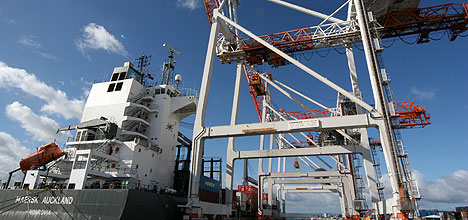
One of these is the plan to develop Satun province. An early and important part of this old and ongoing plan is to build an Andaman Sea deepwater port at Pak Bara, a small village in Satun’s Langu district. At a time when the military regime is claiming credit for recovering parkland from law-breaking encroachers, it is actively planning massive encroachment on a wonderful national park.
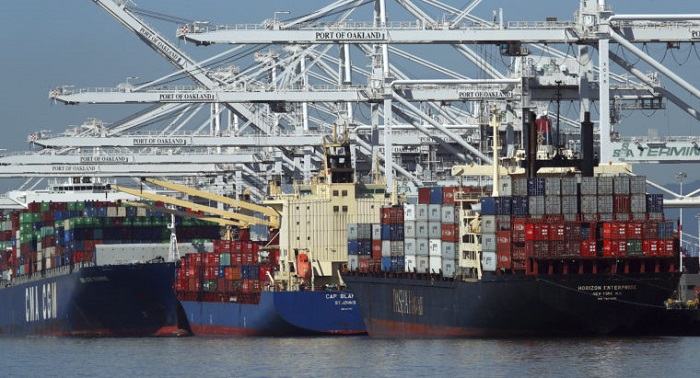

Prime Minister Prayut Chan-o-cha mentioned the project in his weekly TV show on Friday night. The Pak Bara seaport concept, however, has a history. It goes back two decades, but it gelled under the Democrat government of then-prime minister Abhisit Vejjajiva. On June 29, 2010, after extensive discussion and several studies, the cabinet approved an integrated plan which centred on the necessity of a deep seaport along the Satun coast. It was part of a plan that also involved the projected Myanmar port at Dawei, to the north, and a cross-Thailand railway from Satun to Songkhla.
These projects have been moved forward, both by the administration of Yingluck Shinawatra, who followed Mr Abhisit into office, and by the military. Ms Yingluck’s government pushed Myanmar and Japan hard to build the Dawei port. Gen Prayut’s regime has effectively signed the agreement for China to build the cross-peninsula railway.
There has been one constant in all the planning, consulting, projecting and changes of government. That is the unswerving, virtually unanimous opposition of everyone in the Pak Bara region to the port project. There never has been a local group anywhere near Satun that has supported the building of a port.