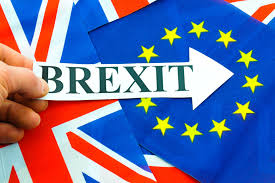
LONDON: Philip Hammond will admit to the largest deterioration in British public finances since 2011 in next week’s Autumn Statement when the official forecast will show the UK faces a £100bn bill for Brexit within five years.
Slower growth and lower-than-expected investment will hit tax revenues hard, the official forecasts will show, supporting the Treasury’s pre-referendum warnings that the long-term economic costs of Brexit are high.


Instead of a surplus in 2019-20, as his predecessor George Osborne had promised, Mr Hammond will show a sizeable deficit in that year with the gap between the borrowing forecast for each year in the Budget last March and the Autumn Statement getting bigger every year.
The deterioration in the outlook — which is still a forecast and highly uncertain — will not prevent Mr Hammond from finding room for some tax cuts to help what officials in Whitehall call “Jams”, meaning families who are “just about managing”. But these giveaways will be small compared with the additional borrowing the government will plan. There will not be much room in the public finances to reset fiscal policy with a big stimulus package.
The Office for Budget Responsibility has drawn up the forecasts the government will present and officials acknowledge they have been grappling for weeks with weak tax revenues and an outlook for lower growth.
The consensus of independent economic forecasts, which are generally close to the OBR’s, show mediocre economic growth until 2020 with higher inflation and weaker business investment combining to slow revenues to the exchequer. Once converted by the OBR into likely tax revenues, the deterioration in the public finances will cumulate to around £100bn.
The Institute for Fiscal Studies has estimated that a weaker economic outlook would lead to roughly £30bn in additional borrowing by 2019-20 before any gains from lower contributions to the EU budget are taken into account.
An official forecast along these lines would vindicate the Treasury’s pre-referendum central estimate of a £36bn annual cost of Brexit to the public purse but it would come only five years after the vote, indicating the cost might rise further in future.