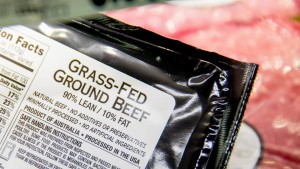
TORONTO: The U.S. could face more than $3 billion in retaliatory trade measures from Canada and Mexico in their long-running dispute over the information on meat packaging.
Last month, the World Trade Organization ruled against the U.S. in the dispute over country-of-origin labels, which the U.S. has required on beef, pork and other meat packages since 2009. The WTO said the rules discriminated against cattle and hogs from Canada and Mexico. Its decision is final.


The U.S., however, hasn’t eliminated the requirement. Canada said that led it to seek WTO authorization to impose the punitive measures. The WTO’s dispute-settlement body will consider the request on June 17, the Canadian government said.
“Despite the WTO’s final ruling that U.S. country-of-origin labeling measures are discriminatory, the United States continues to avoid its international trade obligations,” Canada’s trade minister, Ed Fast, said. Canada reiterated its call on the U.S. to appeal the label requirement, knows as COOL, he said.
Separately, Mexico announced its own plans to impose $653 million in retaliatory measures.
“We will continue requesting that the U.S. repeal the COOL legislation for beef and pork livestock and comply with its international obligations,” Mexico’s Economy Ministry said in a release.
A U.S. trade spokesman declined to comment immediately.
The COOL requirement has had the support of many U.S. ranchers and consumer activists wanting to see more information on food labels. Canada and Mexico, however, have long contended that the requirement put their cows and pigs at a disadvantage, largely because U.S. meatpackers wouldn’t want to go through the hassle and expense of tracking imported animals.
Canada said it would choose “how and when to retaliate” after obtaining WTO authorization.