You might also like


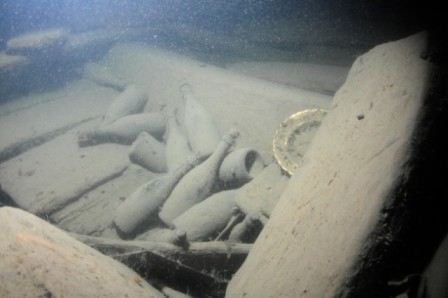
MEXICO: Champagne that had been bottled in the 19th century has been recovered from the bottom of the Baltic Sea after after being discovered in a shipwreck in 2010.
The find, which was discovered off the Finnish Aland archipelago, has been subjected to chemical analysis in order to fully understand how the bubbly alcoholic drink was made in the first place. Researchers involved in studying the champagne’s chemical competition say that the bottom of the seafloor created “close-to-perfect” conditions for preserving the champagne.
Food biochemistry professor Philippe Jeandet from France’s University of Reims, Champagne-Ardenne led the team of researchers that compared modern champagne to the shipwrecked wine, remarking that the composition of the nearly two-century-old champagne was strikingly close to modern champagne. However, there were few changes that seem to have made their way into the process, especially in the amount of sugar within the wine itself. In fact, the older wine was found to have around 20 ounces of sugar per gallon – around 150 grams per liter – while modern champagnes are only around 5 percent of that total or even less; this means that today’s champagnes typically only have 1 once per gallon or less (which would be 8 grams per liter and under).
The scientists say that the heightened sugar content matches the tastes of people in the 19th century. According to Jeandet, many Russians would add sugar to their wine glasses during dinner, something that drove Madame Clicquot to create a specific beverage of around 300 grams of sugar per liter – an astonishing six to seven times more than a single bottle of Coca-Cola to boot.