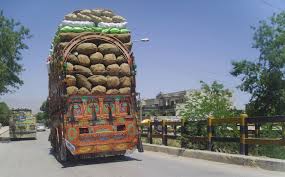
According to newspaper reports, Pakistan exported about 70,000 tonnes of wheat to the European countries during the last few weeks as the country’s new export programme starts. The government allowed the export of 1.2 million tonnes of subsidised wheat in January this year to help clear large inventories. Afghanistan remained the initial sales point because of its location in the neighbourhood. However, the Pakistani traders also looked toward Malaysia and Sri Lanka for sale, but Sri Lanka has imposed low import duties on Pakistani wheat. The Pakistani wheat sale programme is expected to get more orders in the coming weeks as the programme gathers speed despite the fact that the wheat sale start is slow due to unattractive wheat prices in the international market. Experts believe the Pakistani exports will increase due to Russia’s absence in the international export market.
The wheat prices had soared last year in Pakistan due to disappointing local harvest and the country had to make series of purchases at large scale. However, the local inventories were recovered unexpectedly and the import orders were cancelled. The local traders are now obliged to clear inventories before the harvesting of the new crop.


According to another news report, Pakistan signed deals worth billions of dollarswith foreign countries to export 250,000 tonnes of sugarin December last year.The government has already approved a subsidy of $100 a tonne for overseas sales of 650,000 tonnes of the sweetener which is lying in the country’s mills.According to experts, the New York prices have sunk to their lowest level since 2010, and are on the track for their fifth consecutive annual drop. The increasing Pakistani shipments to already saturated world sugar market could further depress the benchmark.The news reports say that Pakistani mills have sealed export deals at $370-$400 a tonne for prompt deliveries to the buyers in Africa, Central Asia and the Middle East.
The country produces about six million tonnes of sugar but home consumption is only around 4.5 million tonnes a year. Therefore, Pakistan has been exporting the sweetener to support the deteriorating financial health of the local sugarmills which are hit by two straight years of surplus output. The local sugar prices have dropped by 13 percent over the last six months, falling below the cost of production. The low sugar prices have also landed the sugarcane growers in trouble as about 20 sugar companies have shut shops.Indiais also flooded with the sweetener after five years of surplus output.The Indian government has, however,decided to give mills a subsidy to help cut stockpiles. Pakistan is an agricultural economy and the government should concentrate on exploiting this aspect of the country’s economy.