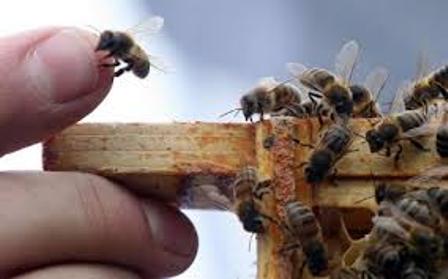


EALING: A parasite of honey bees may pose a greater threat to the insects than previously thought, researchers have found. Nosema ceranae, a single-celled fungal pathogen, has long been known to target honey bees, but it was believed only adults were in danger. University of California, San Diego biologists, in a paper published Wednesday in the journal PLOS One, show that young bees are at risk as well. The scientists exposed larvae to various concentrations of spores, and found that 41 percent of them became infected — and infected bees lived significantly shorter lives once grown.
The discovery may help explain the plummeting numbers of honey bees worldwide, a phenomenon known as “colony collapse disorder” — although a number of other factors, both natural and artificial, have been identified or proposed. More studies will be needed to determine the magnitude of the pathogen’s effect in light of this new information.

Karachi Port sets 138-year cargo handling record
KARACHI: Pakistan's maritime sector has achieved a major milestone as Karachi Port set a new record in its 138-year history...