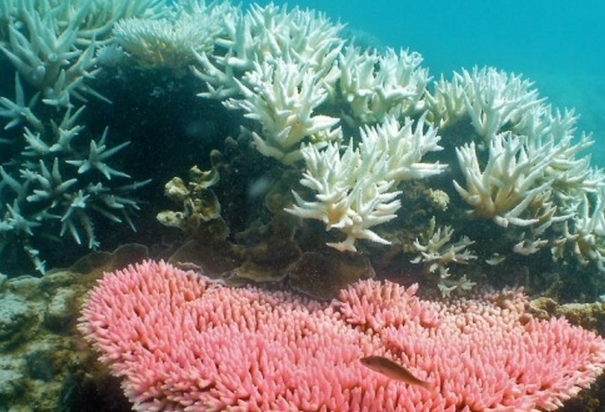


EUROPE: The kind of muddy waters often seen around the Great Barrier Reef increase disease rates in fish and damage their gills, according to reef scientists.
A new study by James Cook University researchers simulated the levels of suspended sediment “frequently found” in the reef due to floods, coastal agriculture and industry, and dredging for ports.
The researchers, working in the Australian Research Council centre of excellence for coral reef studies, say the damaging effects from such conditions are a growing problem in coastal waters worldwide and highlight the need for continued protection of the “crucial habitats”.
A study co-author, Amelia Wenger, said fish were a key part of the habitat that had until now been largely overlooked in discussions of the health of the reef and its “potential stressors”.
“Previously fish haven’t really been part of this conversation and I think they need to be because they’re obviously a huge part of the Great Barrier Reef,” she said.
“This research underscores the necessity for future coastal developments to consider the adverse effects of sediment on fish and reef ecosystems.”
Wenger said the study was “part of a growing body of literature that is showing the strong effects of sediment on fish” but the first “physiological assessment of the gills and bacteria component”.
It comes after a damning report from Queensland’s auditor general last week raised doubts about touted improvements in reef water quality because of a lack of empirical measurement of sites.

Karachi Port sets 138-year cargo handling record
KARACHI: Pakistan's maritime sector has achieved a major milestone as Karachi Port set a new record in its 138-year history...