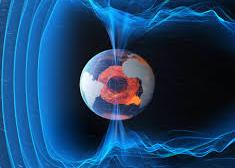
MEXICO: The Committee on Space Research (COSPAR) and the International Living With a Star (ILWS) organization have released a global roadmap for 2015-2025 focusing on better understanding how the phenomena of space weather affect our daily activities on Earth. The strategic plan calls for a coordinated international approach to study the violent solar activity and showcases the research areas that need more attention in order to fully protect our planet from the effects of space weather. The roadmap was published on June 15 in the journal Advances in Space Research.
The authors of the plan strongly emphasize that battling the effects of extreme solar activity is an international challenge. Changes in the sun’s magnetic field affect the whole planet, thus worldwide observations and substantial resources are needed to address the problem.
Space weather impacts numerous aspects of our lives, including Earth’s climate, satellites, navigation systems, radio communications, and power grid. Severe space storms could result in perturbations in the electric power system and could cause loss of satellites. Therefore, extreme solar events could be catastrophic with severe consequences for millions of people.
“Mitigating against the impacts of space weather can be improved by designing less susceptible, more resilient technologies, combined with better environmental knowledge and more reliable forecasts,” the report reads. “This roadmap outlines how we can achieve deeper understanding and better forecasts, recognizing that the expectations for space weather information differ between societal sectors, and that capabilities to observe or model space weather phenomena depend on available and anticipated technologies.”