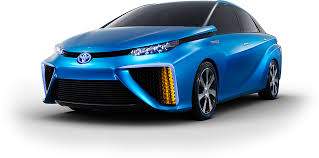
NEW YORK: According to the Consumer Report USA, all brands of Toyota Motors remained bestsellers in the world.
The four lowest-scoring brands were all from Fiat Chrysler, which scored the lowest of the 28 brands while the Fiat 500L was named the least reliable among 265 models.


Jake Fisher, director of automotive testing for Consumer Reports, said it seems Chrysler has been “picking less reliable partners” as times goes on, from Japan’s Mitsubishi Motors Corp to German’s Daimler AG to Italy’s Fiat.
However, poor results do not always translate into weaker sales. For instance, Chrysler’s brands have been at or near the bottom of the survey. The group’s share of the US market has risen to 12.2 percent this year through September from less than 9 percent in 2009.
The biggest complaint about new cars and trucks is that infotainment systems do not work well. Infotainment systems include safety features, as well as satellite radio and hands-free telephone and internet capabilities, usually displayed on video screens on dashboards.
The biggest gain in this year’s survey was by Ford Motor Company’s luxury Lincoln brand, up 12 spots to 15th place. The biggest drop was recorded by Daimler AG’s Mercedes-Benz because of a poor showing for its new CLA model. Fisher said Toyota brands perform well because the automaker takes a deliberate approach to introducing new features.
Ford performed miserably in the survey just a few years ago because of its “My Touch” infotainment systems. But the complaint rate for the system is much improved in this year’s survey, Fisher said.
Japanese brands, which have dominated the survey in recent years, took the first four places, with Mazda Motor Corp third and Honda Motor Co fourth. Fifth was Volkswagen AG’s luxury brand Audi, followed by the lone domestic brand in the top 10, General Motors Company’s Buick at No. 6.
Rounding out the top 10 were Fuji Heavy Industries’ Subaru, Toyota’s youth-oriented Scion, VW’s Porsche sports car brand and KIA Motors Corp’s namesake brand. The survey was completed out by 1.1 million consumers, down from 1.3 million in 2010.