Customs Today
  • Home
  • Islamabad
  • Karachi
  • Lahore
  • National
  • Transfers and Postings
  • Chambers & Associations
  • Business
No Result
View All Result
Customs Today
  • Home
  • Islamabad
  • Karachi
  • Lahore
  • National
  • Transfers and Postings
  • Chambers & Associations
  • Business
No Result
View All Result
Customs Today
No Result
View All Result
Home Op-Ed Editorial

Taxes and economy

byDr. Aftab Afzal
09/02/2016
in Editorial, Latest News, Op-Ed
Share on FacebookShare on Twitter

According to a report issued by the International Monitory Fund, the country is incurring heavy annual losses due to low tax compliance and under-reporting. As a matter of fact the system of tax collections is based on official decrees whereas an effective implementation on standard operating system is missing. No effort has been made so far to devise a tax collection system based on scientific lines and ground realities. Instead of devising a mechanism to boost trade and industry with support of the tax collection authorities, the successive governments have failed to remove conflicts and confusions in the system. Governments change, rules change, but potentials of tax collections could not be improved. The weaknesses in the system cause $3.3 billion annual losses to the nation. The report says that the current tax-to-GDP ratio in the country is 11.5 percent of the gross domestic product and a gap is visible between tax collection ratio and its potentials.

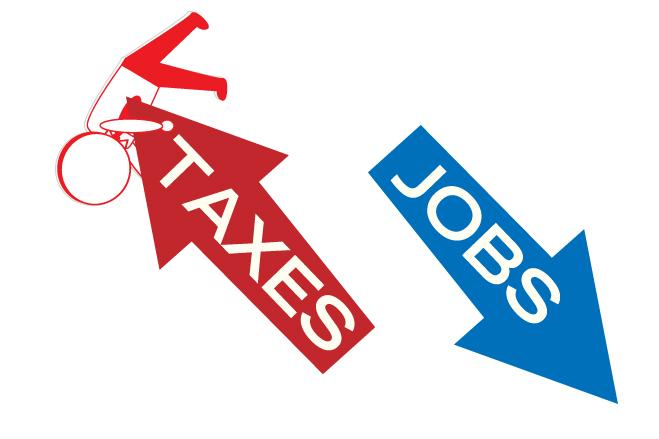
According to experts, the tax-to-GDP ratio should be 22.3 percent of the gross domestic product. The losses are more than the total annual tax collections in the country. The fund’s report blames the narrow tax base, tax concessions and low tax compliance for the loss of revenues. Both the Pakistan People’s Party and the Pakistan Muslim League-N governments failed to bring any improvement in the tax collection system. Instead of enhancing tax base, the governments find it easy to enhance tax rate to fill the revenue gap. The government has now imposed Rs 40 billion taxes to bridge the shortfall that emerged against this year’s tax collection target. Increasing the burden of taxes on the existing taxpayers no only brings inequalities, undermine tax morale and cause distortions in economic activity, but also it results in slow economic activities. The government has added additional taxes of around $500 million on the people since June 2013.


You might also like

Pakistan eyes $25m annual buffalo genetics exports to China

11/06/2026
Laden Pakistani trucks are seen near Torkham, close to the Pakistan-Afghanistan border, on April 14, 2017, a day after the US military dropped a largest non-nuclear bomb on an Islamic State complex in Afghanistan.


Trade in and out of Afghanistan from Pakistan appeared to be flowing as normal, however, with traffic at the Torkham border crossing apparently undisturbed,  despite the historic detonation roughly 50 kilometres away. / AFP PHOTO / ABDUL MAJEED        (Photo credit should read ABDUL MAJEED/AFP via Getty Images)

Afghan route closure weighs on Pakistan-Central Asia trade, exports fall 9%, imports plunge 88%

11/06/2026

The government plans to enhance tax-to-GDP ratio up to 15 percent in five years to consolidate debt sustainability and resilience to fiscal shocks, but how it will achieve its goals is unclear. Unrealistic tax collection targets are injurious to the young economy as of Pakistan. Out of the total taxpayers, the number of Corporate Income Tax filers is meager as the number of active filers is not more than 0.8 percent of the total strength. According to the IMF, the number of Personal Income Tax was over 3.6 million whereas 56.5 million people belong to salaried classes. If the government wants to enhance its revenue, it will have to cut the number of taxes and ratio of the taxes as well as stop the administrative failure.


Related Stories

Pakistan eyes $25m annual buffalo genetics exports to China

byCT Report
11/06/2026

ISLAMABAD: Pakistan has signed a Material Transfer Agreement (MTA) with China's Royal Group to export buffalo genetic material, opening a...

Laden Pakistani trucks are seen near Torkham, close to the Pakistan-Afghanistan border, on April 14, 2017, a day after the US military dropped a largest non-nuclear bomb on an Islamic State complex in Afghanistan.


Trade in and out of Afghanistan from Pakistan appeared to be flowing as normal, however, with traffic at the Torkham border crossing apparently undisturbed,  despite the historic detonation roughly 50 kilometres away. / AFP PHOTO / ABDUL MAJEED        (Photo credit should read ABDUL MAJEED/AFP via Getty Images)

Afghan route closure weighs on Pakistan-Central Asia trade, exports fall 9%, imports plunge 88%

byCT Report
11/06/2026

ISLAMABAD: Pakistan's trade with five Central Asian countries came under pressure in the first 10 months of FY2025-26 following the...

PTBA raises legal concerns over fixed tax scheme for small shopkeepers

byCT Report
11/06/2026

ISLAMABAD: The Pakistan Tax Bar Association (PTBA) has expressed serious legal and procedural concerns regarding the Fixed Tax Scheme (FTS)...

LHC rejects plea to suspend agricultural tax notifications

byCT Report
11/06/2026

LAHORE: The Lahore High Court on Wednesday turned down a request to suspend the impugned notifications about agricultural tax and...

Next Post

Customs ASO seizes computer, mobile accessories worth Rs 6.5m

  • Terms and Conditions
  • Disclaimer

© 2011 Customs Today -World's first newspaper on customs. Customs Today.

No Result
View All Result
  • Transfers and Postings
  • Latest News
  • Karachi
  • Islamabad
  • Lahore
  • National
  • Chambers & Associations
  • Business
  • About Us

© 2011 Customs Today -World's first newspaper on customs. Customs Today.