Customs Today
  • Home
  • Islamabad
  • Karachi
  • Lahore
  • National
  • Transfers and Postings
  • Chambers & Associations
  • Business
No Result
View All Result
Customs Today
  • Home
  • Islamabad
  • Karachi
  • Lahore
  • National
  • Transfers and Postings
  • Chambers & Associations
  • Business
No Result
View All Result
Customs Today
No Result
View All Result

Sri Lanka raises import tax on onions

byCT Report
22/08/2016
in Uncategorized
Share on FacebookShare on Twitter

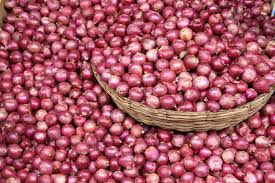
COLOMBO: Sri Lanka has raised an existing food import tax on large onions to Rs40 a kilogram from Rs25 to keep domestic prices high to give profits to producers, with a price control also imposed at Rs78 rupees a kilo, the finance ministry said.

Levies on foods and other items are routinely hatched in secret in Sri Lanka by bureaucrats and ministers, and slapped by midnight gazette to help special interests lobbies, literally, while the citizenry is sleeping in a brazen act of prerogative taxation without parliamentary or even cabinet sanction. The parliament then rubber-stamps the levies later in a grotesque parody of the basic democratic principle of ‘taxation by consent’, critics say.


You might also like

KP allocates Rs2bn to clear District Development Plan dues

02/07/2026

Empowering teachers with 21st Century skills vital to build Pak’s future: ICCI President

02/07/2026

This year, some groups had challenged the practice of imposing VAT by minister’s prerogative in Supreme Court, and the current administration was forced to backtrack and treat people in a less feudal manner.

The finance ministry revealed the onion levy in a statement on August 21, saying that the tax had come into effect from the midnight of August 19.  The finance ministry said 12,000 tonnes of large onions (Bombay onions) are imported every month and domestic farmers are expected to harvest about 50,000 tonnes in the next few months.

The tax was raised to ‘protect’ the farmers. Unlike farmers in other South Asian countries, Sri Lanka’s onion, potato or rice famers cannot produce food either to the quality or price demanded in export markets, and what would be an exportable surplus (earning foreign exchange) in India or Pakistan is simply a phenomenon to that pushes up food costs for the hungry.


Related Stories

KP allocates Rs2bn to clear District Development Plan dues

byCT Report
02/07/2026

PESHAWAR: The Khyber Pakhtunkhwa government has made a special allocation of Rs2 billion to clear outstanding payments for locally initiated...

Empowering teachers with 21st Century skills vital to build Pak’s future: ICCI President

byCT Report
02/07/2026

ISLAMABAD: President Islamabad Chamber of Commerce and Industry (ICCI), Sardar Tahir Mehmood, has said that empowering teachers with modern teaching...

Banks to cover remittance transfer costs as SBP ends incentive

byCT Report
02/07/2026

KARACHI: The State Bank of Pakistan (SBP) has discontinued the Telegraphic Transfer Charges Incentive Scheme (TTCIS), which reimbursed banks for...

Pakistan Customs posts 33pc increase in revenue collection

byCT Report
02/07/2026

ISLAMABAD: Pakistan Customs has collected a record Rs. 467 billion in import taxes in June 2026, marking a 33 percent...

Next Post

Five Sri Lankan IT companies to start work in Japan

  • Terms and Conditions
  • Disclaimer

© 2011 Customs Today -World's first newspaper on customs. Customs Today.

No Result
View All Result
  • Transfers and Postings
  • Latest News
  • Karachi
  • Islamabad
  • Lahore
  • National
  • Chambers & Associations
  • Business
  • About Us

© 2011 Customs Today -World's first newspaper on customs. Customs Today.