Customs Today
  • Home
  • Islamabad
  • Karachi
  • Lahore
  • National
  • Transfers and Postings
  • Chambers & Associations
  • Business
No Result
View All Result
Customs Today
  • Home
  • Islamabad
  • Karachi
  • Lahore
  • National
  • Transfers and Postings
  • Chambers & Associations
  • Business
No Result
View All Result
Customs Today
No Result
View All Result

Sri Lanka raises import tax on onions

byCT Report
22/08/2016
in Uncategorized
Share on FacebookShare on Twitter

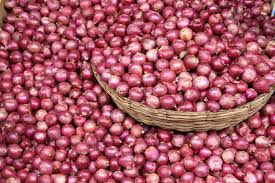
COLOMBO: Sri Lanka has raised an existing food import tax on large onions to Rs40 a kilogram from Rs25 to keep domestic prices high to give profits to producers, with a price control also imposed at Rs78 rupees a kilo, the finance ministry said.

Levies on foods and other items are routinely hatched in secret in Sri Lanka by bureaucrats and ministers, and slapped by midnight gazette to help special interests lobbies, literally, while the citizenry is sleeping in a brazen act of prerogative taxation without parliamentary or even cabinet sanction. The parliament then rubber-stamps the levies later in a grotesque parody of the basic democratic principle of ‘taxation by consent’, critics say.


You might also like

Mobile manufacturers warn of IMEI cloning, oppose used phone imports

27/04/2026

Textile exporters warn of factory closures as costs surge, refunds delayed

27/04/2026

This year, some groups had challenged the practice of imposing VAT by minister’s prerogative in Supreme Court, and the current administration was forced to backtrack and treat people in a less feudal manner.

The finance ministry revealed the onion levy in a statement on August 21, saying that the tax had come into effect from the midnight of August 19.  The finance ministry said 12,000 tonnes of large onions (Bombay onions) are imported every month and domestic farmers are expected to harvest about 50,000 tonnes in the next few months.

The tax was raised to ‘protect’ the farmers. Unlike farmers in other South Asian countries, Sri Lanka’s onion, potato or rice famers cannot produce food either to the quality or price demanded in export markets, and what would be an exportable surplus (earning foreign exchange) in India or Pakistan is simply a phenomenon to that pushes up food costs for the hungry.


Related Stories

Mobile manufacturers warn of IMEI cloning, oppose used phone imports

byCT Report
27/04/2026

ISLAMABAD: The Pakistan Mobile Phone Manufacturers Association (PMPMA) has raised concerns over the sale of smuggled, stolen and counterfeit mobile...

Textile exporters warn of factory closures as costs surge, refunds delayed

byCT Report
27/04/2026

ISLAMABAD: The textile export industry has raised concerns over rising costs and policy constraints, warning that current conditions could lead...

FBR reforms to eliminate tax evasion, non-filers

byCT Report
27/04/2026

FAISALABAD: The Federal Board of Revenue (FBR) is undertaking extensive reforms and structural changes aimed at completely eliminating tax evasion...

DG Valuation raises customs value on imported used iPhones

byCT Report
27/04/2026

KARACHI: Pakistan Customs has notified revised enhanced customs values for imported old and used Apple iPhones, a move that is...

Next Post

Five Sri Lankan IT companies to start work in Japan

  • Terms and Conditions
  • Disclaimer

© 2011 Customs Today -World's first newspaper on customs. Customs Today.

No Result
View All Result
  • Transfers and Postings
  • Latest News
  • Karachi
  • Islamabad
  • Lahore
  • National
  • Chambers & Associations
  • Business
  • About Us

© 2011 Customs Today -World's first newspaper on customs. Customs Today.