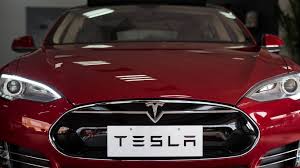
CENTRAL: The source said Tesla, led by billionaire entrepreneur Elon Musk, had written to Chief Executive electric cars for private use. The move resulted in buyers paying as much as 80 per cent more for high-end models. With the tax waiver capped at HK$97,500 from April 1 last year, sales of electric cars nosedived. Only 99 new cars were registered from April to December last year, compared with 2,078 in the same period the year before. Sales at Tesla, which employs 200 people in the city, were hit hardest. It sold 32 cars from April to December, although 2,939 cars were snapped up in March, as buyers rushed to its showrooms after Financial Secretary Paul Chan Mo-po’s announcement that the waiver was ending in last year’s budget. An average of 230 Teslas were sold each month from April 2016 to February 2017, mostly of the Model S, the top-selling sedan in the city in 2015. T
Asked for its comments, Tesla told the Post on Sunday: “Our launch in Hong Kong in 2010 was one of Tesla’s earliest, and we remain committed to our customers here, affirming that commitment with the opening of our second Service Centre last year.

“We remain hopeful that the government will continue to encourage more electric vehicles on the road and preserve Hong Kong’s lead in clean, sustainable living.”
Separately, a source in the car industry said big manufacturers had urged Chan to remove the full tax waiver for electric cars because they were threatened by their rapid growth in the city, especially of Tesla, which dominated about 90 per cent of the market. BMW, Nissan, Volkswagen and Renault also sell electric cars in the city.