Customs Today
  • Home
  • Islamabad
  • Karachi
  • Lahore
  • National
  • Transfers and Postings
  • Chambers & Associations
  • Business
No Result
View All Result
Customs Today
  • Home
  • Islamabad
  • Karachi
  • Lahore
  • National
  • Transfers and Postings
  • Chambers & Associations
  • Business
No Result
View All Result
Customs Today
No Result
View All Result
Home Latest News

Trump’s China tariffs – Paid by U.S. importers, not by China

byCT Report
03/08/2019
in Latest News
Share on FacebookShare on Twitter

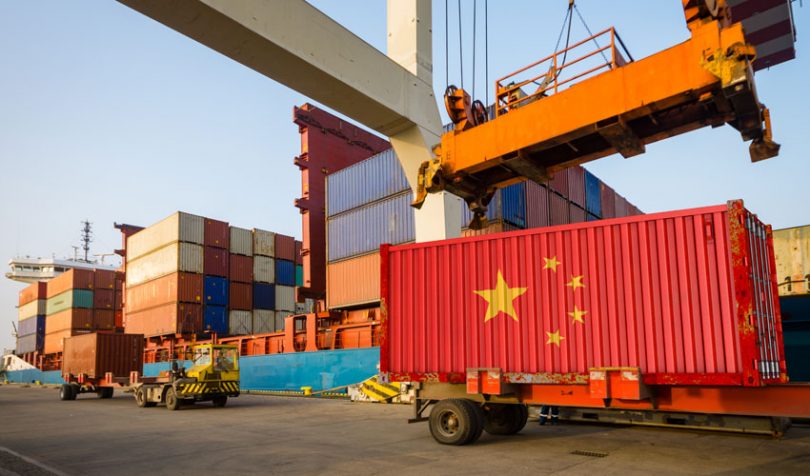
CHICAGO : With U.S. President Donald Trump’s announcement on Thursday of tariffs on another $300 billion of Chinese imports, nearly all goods from China will be subject to import taxes, and Trump says they generate billions of dollars in revenues for the U.S. Treasury from China.

But that is not how tariffs work. China’s government and companies in China do not pay U.S. tariffs directly. Tariffs are a tax on imported products and are paid by U.S.-registered firms to U.S. customs when goods enter the United States.

You might also like

PM Shehbaz Sharif approves 6-point plan to clear backlog of tax cases

07/05/2026

Pakistan set to get fourth IMF tranche under EFF programme: sources

07/05/2026

Importers often pass the costs of tariffs on to customers – manufacturers and consumers in the United States – by raising their prices. U.S. business executives and economists say U.S. consumers foot much of the tariff bill.

That was why, immediately after Trump announced his decision, U.S. retailers blasted the move as “another tax increase on American businesses and consumers,” which they warned would threaten U.S. jobs and raise costs for American families.

The new levies will hit a wide swath of consumer goods from cell phones and laptop computers to toys and footwear.

Stephen Lamar, executive vice president of the American Apparel & Footwear Association, said the new tariffs would hit U.S. consumers far harder than Chinese manufacturers, who produce 42% of apparel and 69% of footwear purchased in the United States.

Investors are worried that the increase in retail prices will hit consumer spending which has underpinned the U.S. economy, and trade uncertainty makes businesses hold back capital spending.

Related Stories

PM Shehbaz Sharif approves 6-point plan to clear backlog of tax cases

byCT Report
07/05/2026

ISLAMABAD: Prime Minister Shehbaz Sharif has approved a comprehensive six-point action plan aimed at resolving thousands of long-pending tax cases...

Pakistan set to get fourth IMF tranche under EFF programme: sources

byCT Report
07/05/2026

ISLAMABAD: Pakistan is likely to receive more than $1.2 billion under its ongoing loan programme with the International Monetary Fund...

Govt considers cutting taxes on raw materials for locally made vehicles

byCT Report
07/05/2026

ISLAMABAD: The government has started considering reducing taxes on raw materials for locally manufactured vehicles in the upcoming budget. It...

Pakistan assures IMF to replace 200-unit power subsidy with targeted system

byCT Report
07/05/2026

ISLAMABAD (Dunya News) - The federal government has decided to abolish the current electricity subsidy mechanism for power consumers and...

Next Post

Discrepancies between FBR & SBP in tax receipts detected

  • Terms and Conditions
  • Disclaimer

© 2011 Customs Today -World's first newspaper on customs. Customs Today.

No Result
View All Result
  • Transfers and Postings
  • Latest News
  • Karachi
  • Islamabad
  • Lahore
  • National
  • Chambers & Associations
  • Business
  • About Us

© 2011 Customs Today -World's first newspaper on customs. Customs Today.