Customs Today
  • Home
  • Islamabad
  • Karachi
  • Lahore
  • National
  • Transfers and Postings
  • Chambers & Associations
  • Business
No Result
View All Result
Customs Today
  • Home
  • Islamabad
  • Karachi
  • Lahore
  • National
  • Transfers and Postings
  • Chambers & Associations
  • Business
No Result
View All Result
Customs Today
No Result
View All Result
Home Latest News

Trump’s China tariffs – Paid by U.S. importers, not by China

byCT Report
03/08/2019
in Latest News
Share on FacebookShare on Twitter

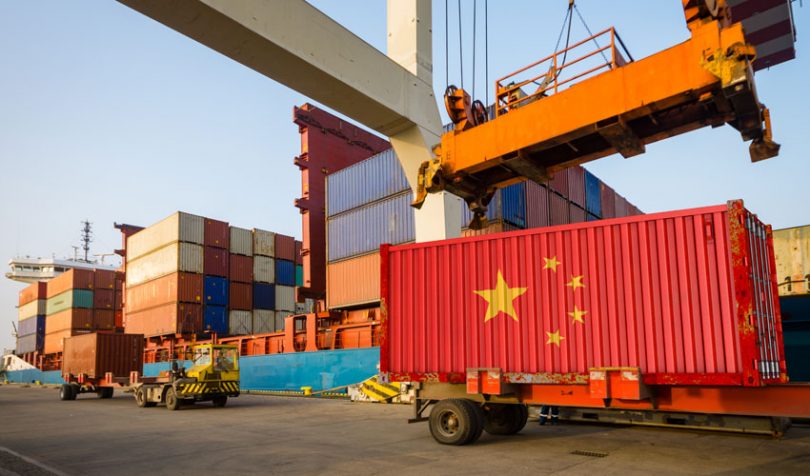
CHICAGO : With U.S. President Donald Trump’s announcement on Thursday of tariffs on another $300 billion of Chinese imports, nearly all goods from China will be subject to import taxes, and Trump says they generate billions of dollars in revenues for the U.S. Treasury from China.

But that is not how tariffs work. China’s government and companies in China do not pay U.S. tariffs directly. Tariffs are a tax on imported products and are paid by U.S.-registered firms to U.S. customs when goods enter the United States.


You might also like

Islamabad vehicle owners face higher token tax under new revenue plan

22/06/2026

Envoys show keen interest in RCCI medHealth & beauty Expo 2026

22/06/2026

Importers often pass the costs of tariffs on to customers – manufacturers and consumers in the United States – by raising their prices. U.S. business executives and economists say U.S. consumers foot much of the tariff bill.

That was why, immediately after Trump announced his decision, U.S. retailers blasted the move as “another tax increase on American businesses and consumers,” which they warned would threaten U.S. jobs and raise costs for American families.

The new levies will hit a wide swath of consumer goods from cell phones and laptop computers to toys and footwear.

Stephen Lamar, executive vice president of the American Apparel & Footwear Association, said the new tariffs would hit U.S. consumers far harder than Chinese manufacturers, who produce 42% of apparel and 69% of footwear purchased in the United States.

Investors are worried that the increase in retail prices will hit consumer spending which has underpinned the U.S. economy, and trade uncertainty makes businesses hold back capital spending.


Related Stories

Islamabad vehicle owners face higher token tax under new revenue plan

byCT Report
22/06/2026

ISLAMABAD: The National Assembly’s Standing Committee on Finance has approved an increase in vehicle token tax rates in Islamabad, marking...

Envoys show keen interest in RCCI medHealth & beauty Expo 2026

byCT Report
22/06/2026

ISLAMABAD: The Rawalpindi Chamber of Commerce and Industry (RCCI) continued to strengthen Pakistan’s international engagement in the healthcare and wellness...

Hutchison’s $3b Karachi port expansion plan stuck over concession, procurement issues: report

byCT Report
22/06/2026

KARACHI: A planned $3 billion investment by Hong Kong-based Hutchison Ports to expand container handling facilities at Karachi’s ports has...

Customs announces auction of overstay hydrocarbon solvent at Taftan & Quetta Dry Port

byCT Report
22/06/2026

QUETTA: Pakistan Customs has announced the auction of multiple overstay consignments of Light Aliphatic Hydrocarbon Solvent, commonly known as White...

Next Post

Discrepancies between FBR & SBP in tax receipts detected

  • Terms and Conditions
  • Disclaimer

© 2011 Customs Today -World's first newspaper on customs. Customs Today.

No Result
View All Result
  • Transfers and Postings
  • Latest News
  • Karachi
  • Islamabad
  • Lahore
  • National
  • Chambers & Associations
  • Business
  • About Us

© 2011 Customs Today -World's first newspaper on customs. Customs Today.