KARACHI: Pakistan is unlikely to meet a target for Russian crude to make up two-thirds of its oil imports, despite attractive prices, hampered by a shortage of foreign currency and limitations at its refineries and ports, officials and analysts say.
The cash-strapped South Asian nation became Russia’s latest customer snapping up discounted crude that has been banned from European markets due to Russia’s war on Ukraine. Its first cargo arrived in June and a second is now under negotiation.


It is targeting 100,000 bpd of imports from Russia, compared with the total 154,000 bpd of crude it imported in 2022, in the hopes that will lower its import bill, address a foreign exchange crisis and keep a lid on record high inflation.
However, the benefits are being offset by increased shipping costs and lower quality refined products compared with the fuels produced with crude from Pakistan’s main suppliers, Saudi Arabia and the United Arab Emirates.
Pakistan will have to increase gasoline and gasoil imports to make up for the lower output of these fuels from the Russian crude, leading to more dollar outflows and stress on its crisis-hit economy, said Shahbaz Ashraf, chief investment officer at Pakistan-based FRIM Ventures.
While Islamabad and Moscow have not disclosed pricing details and the extent of discounts, a shortage of Chinese yuan currency to pay for Russian crude poses another hurdle, as it needs the yuan for trade with China, its top trade partner.
Pakistan paid for its first Russian crude cargo in Chinese yuan. However, Aadil Nakhoda, assistant professor at Karachi’s Institute of Business Administration, said it would be better for the country to use a barter deal with Russia than paying with yuan, which traders say is in short supply.
“How will it pay other lenders and how will it finance trade with China if it uses the low yuan reserves to pay for Russian oil?” Nakhoda said.
PORT, REFINERY CONSTRAINTS
Adding to the challenges, transportation costs for Russian crude are higher than for Middle Eastern crudes not only because of the longer distance travelled, but because Pakistan’s ports cannot handle the large vessels departing Russia.
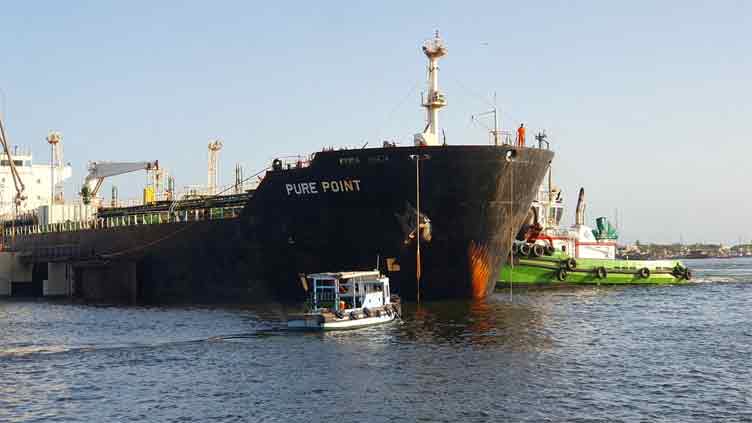
Urals crude had to be transferred from a super tanker on to smaller ships, known as a lightering operation, in Oman before heading to Pakistan, government officials said, unlike direct shipments from the Middle East.
Even with that extra cost, it was worth importing Russian oil, said Viktor Katona, lead crude analyst at Kpler, as Saudi Arab Light crude is $10 to $11 per barrel more expensive for Pakistani refiners than Urals, while lightering operations add around $2 to $3 per barrel.
“Pakistani buyers would still be much better off,” he said.
However, Urals quality is a deterrent, as Pakistan’s refineries cannot get as much gasoline and diesel out of Urals crude as they produce from Saudi and UAE crudes.
It will take Pakistan Refinery Ltd (PRL) at least two months to fully process its first cargo of 100,000 metric tons (730,000 barrels) of Urals crude as it needs to be blended with Middle East crude to offset the high output of fuel oil from the Russian oil, Zahid Mir, chief executive of the state-run refiner, told Reuters.
“Our optimum processing solution is to blend Urals with Middle Eastern imported crude while not exceeding 50 per cent Ural in the blend,” Mir said.
The residual fuel produced from Urals crude has to be mixed with diesel and kerosene to meet specifications for local use while the remainder is exported, but the deal was still commercially viable for Pakistan, Mir said.
PRL has no plans to upgrade its refinery to process fuel oil into higher quality fuels, he added.
Kpler’s Katona expects Pakistan’s liquidity issues and technical challenges to weigh on its appetite for Russian crude.
“Russian imports into Pakistan will not grow into anything bigger than one cargo per month,” he said.