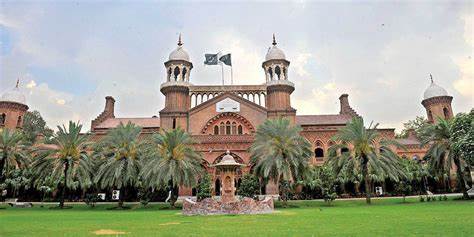
LAHORE: The Lahore High Court (LHC) took up a significant legal question concerning the suspension of a Federal Board of Revenue (FBR) employee by the Director General (DG) of Customs Intelligence and Investigation (I&I).
The issue at hand is whether the DG Customs Intelligence possesses the legal authority to suspend an employee who has made a public interest disclosure to the Chairman FBR, invoking the protections provided under the Public Interest Disclosure Act, 2017.


The employee, who brought the writ petition before the court, contends that his suspension is in direct violation of Section 10 of the Act, which offers immunity from suspension and other retaliatory actions for individuals who report irregularities within public institutions.
The Public Interest Disclosure Act, 2017, is specifically designed to shield whistleblowers from punitive measures, thereby encouraging transparency and accountability in public affairs.
The LHC, acknowledging the gravity of the issue, has directed the Chairman FBR to review the legality of the suspension order within a 14-day period. The court emphasized that this review must be conducted in strict accordance with the provisions of Section 10 of the Act.
This case is being closely watched by legal analysts and public interest advocates, as it addresses a fundamental concern: whether public authorities, such as Customs Intelligence, can sidestep the legal protections granted to whistleblowers, thereby discouraging the exposure of corruption and malfeasance.
The outcome of this case could have substantial implications for the enforcement of whistleblower protections in Pakistan, potentially setting a precedent for how such cases are handled in the future.
The decision will likely impact the broader discourse on the protection of individuals who dare to report misconduct in the public sector, ensuring that their rights are safeguarded against retaliatory actions.