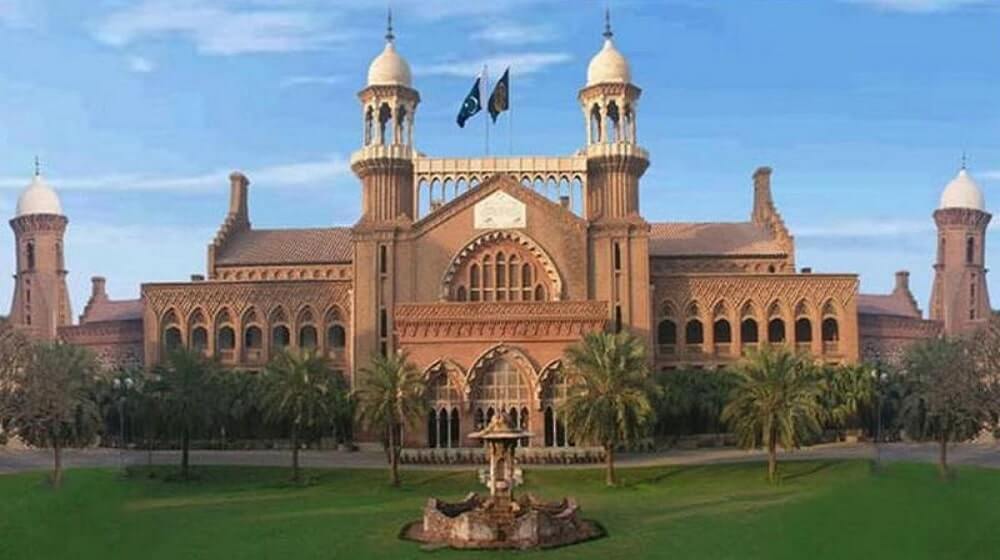
MULTAN: In a landmark decision that reverberates across tax circles, the Lahore High Court (LHC) has dismissed an income tax reference filed by the Federal Board of Revenue (FBR), shedding light on the importance of procedural diligence and the Appellate Tribunal’s pivotal role in resolving tax disputes. This ruling holds particular relevance for RTO Multan and tax practitioners in the region, emphasizing the need for consistent and transparent application of tax laws.
The case at hand revolved around a business entity with operations in Lahore and Rawalpindi, which had filed an income tax return for the 2014 tax year, declaring a loss of Rs. 15,734,624. Following a routine audit by FBR under Section 214-C of the Income Tax Ordinance, the respondent’s income was dramatically revised to Rs. 880,500,469. This was done through a deemed assessment, which led the respondent to appeal, eventually bringing the case before the Appellate Tribunal. The Tribunal’s ruling favored the respondent, deleting several contested additions and ultimately affirming the taxpayer’s position.


Key to the Appellate Tribunal’s findings were several crucial deletions, including Rs. 252,369,772 under Section 39(3), where the Deputy Commissioner Inland Revenue (DCIR) had inconsistently applied standards in rejecting the taxpayer’s verified transaction records. The Tribunal also struck down Rs. 5,111,393 under Section 21(a), highlighting the improper classification of sales tax. Additionally, Rs. 14,705,000 and Rs. 13,486,773 disallowances were overturned due to the absence of a prior show cause notice, while Rs. 7,500,000 was invalidated due to a failure to issue a separate notice.
From an RTO Multan perspective, this ruling is a stark reminder of the importance of procedural accuracy. Tax authorities must issue appropriate notices and ensure that the assessments are in line with tax regulations, avoiding any inconsistencies that could lead to costly disputes. The ruling also reinforces the need for clear, transparent communication with taxpayers, ensuring that they are provided with the necessary opportunities to present their case.
The FBR had challenged the Tribunal’s decision, arguing that the case should have been remanded back to the Commissioner Inland Revenue (Appeals) for further review. However, the LHC upheld the Tribunal’s decision, affirming its jurisdiction as the final fact-finding body. The court stressed that the Tribunal had the legal authority to resolve the matter, as the facts had already been thoroughly examined. The LHC’s affirmation of the Tribunal’s role in independently assessing facts sets a significant precedent for RTO Multan and other regional tax offices, reinforcing the Appellate Tribunal as the ultimate authority in tax disputes.
One notable aspect of the case was the treatment of a donation of Rs3,216,530 to Bahria Dastarkhawn. The court ruled that the donation was properly covered under Section 61 of the Ordinance, clarifying that the determination of whether the recipient is a registered non-profit organization is beyond the scope of reference proceedings
This decision not only strengthens the position of the Appellate Tribunal as the final arbiter in tax disputes but also highlights the importance of procedural adherence and consistency in tax matters. For RTO Multan, the ruling emphasizes that thoroughness in issuing notices, applying tax laws, and maintaining transparency in assessments are critical to ensuring fairness in tax administration. The LHC’s dismissal of the FBR’s reference for lack of merit underscores the importance of taxpayer rights and serves as a reminder to tax authorities to act with diligence and integrity in their dealings.