ISLAMABAD: A serious controversy has erupted over the Federal Board of Revenue’s (FBR) conduct, with Ehsan Malik, Chairman of the Finance Bill 2025 Anomalies Committee (Business), accusing top FBR officials of “unprecedented negligence” and “utter disrespect.” The allegations stem from a crucial meeting where frustration over the FBR’s non-serious attitude reportedly led to committee members resigning or staging a walk-out.
Malik revealed that the high-powered committee, tasked with identifying and resolving critical anomalies within the Finance Bill, faced consistent stonewalling. Despite repeated requests, meetings were not scheduled promptly. Even when convened, the Member (IR-Policy), the official responsible for overseeing the correction of budget anomalies, showed minimal engagement.


Abandoned Meeting and Collapsing Trust
According to Malik, the Member (IR-Policy) was present for a mere ten minutes on June 24 before departing to “attend urgent matters,” leaving the committee members waiting for nearly 45 minutes without any FBR representation.
“The members of the anomalies committee were kept waiting for nearly 45 minutes without any representation from FBR,” Malik protested, labeling the incident a “blatant insult” to some of the country’s most influential business leaders. “We were treated with indifference. This isn’t just a procedural failure—it’s a collapse of trust.”
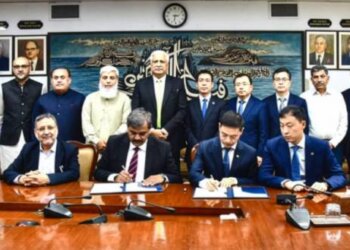
The anomalies committee comprised presidents and CEOs from eleven leading chambers and business bodies across Pakistan. It was expected to play a vital role in refining the budget before its parliamentary passage. However, Malik warned that their valuable input was effectively disregarded, fundamentally undermining the committee’s purpose.
Unaddressed Anomalies and Future Questions
Malik stated that it was due to his personal insistence that committee members refrained from a mass resignation or walk-out. However, he emphasized that “the damage is done. Anomalies still exist, and taxpayers—who bear the brunt of these policy flaws—deserve better.”
He has since submitted the minutes of the abandoned meeting, specifically highlighting key anomalies that remain unaddressed within the Finance Bill. Malik has now publicly demanded clarity from the FBR: “How does the government plan to rectify these anomalies now that the Finance Bill has already been passed? The silence is deafening.”
This explosive fallout raises serious questions about the true efficacy of such consultative committees in Pakistan’s fiscal policymaking process, and whether their role is genuinely meant to correct structural flaws or merely ceremonial. The incident casts a shadow on the FBR’s commitment to stakeholder engagement and transparent governance.