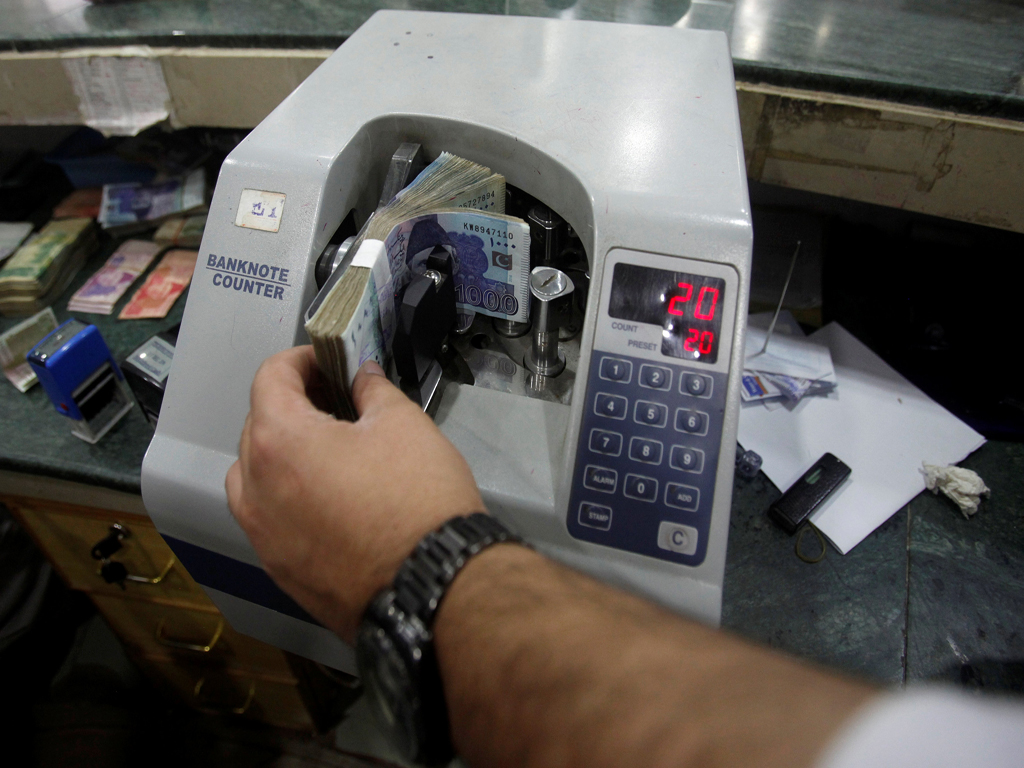
ISLAMABAD: Under the latest amendments to Section 114C of the Income Tax Ordinance, restrictions on cash withdrawals from bank accounts primarily apply to individuals, according to leading tax experts. The revised legislation introduces specific thresholds for various financial transactions, aiming to enhance tax compliance and documentation within the economy.
Tax expert Ashfaq Tola clarified that while accounts in the names of Associations of Persons (AOPs) may be covered depending on the enforcement of the provision, this remains unclear due to the distinct definitions of individuals and AOPs under Section 80. Crucially, no such restrictions have been imposed on companies at this time.


Key Changes to Section 114C
Tola elaborated on the significant changes introduced by the amended Act to Section 114C:
Fixed Thresholds: The cash withdrawal threshold, which was previously left to be notified by the federal government, is now explicitly mentioned in the Fifteenth Schedule.
Expanded Scope of Restrictions: Similar restrictions previously applied to certain transactions now extend to investments in securities or units of mutual funds under Section 114C (1).
Broader Account Coverage: All types of bank accounts (with the exception of Pension and Aasan accounts) of “ineligible persons” are now covered, not just current accounts, meaning they cannot be opened or maintained if the person is deemed ineligible.
Annual Cash Withdrawal Limit: An individual is now restricted from withdrawing an amount equal to or more than Rs100 million in aggregate from all bank accounts held by that individual annually.
Hussain Sherazi, another tax expert, reiterated that the immediate impact of these restrictions on cash withdrawals is focused on individuals, with the application to AOPs remaining ambiguous based on the current definition of “person.”
Impact on Vehicle and Property Transactions
Other experts highlighted additional changes impacting major asset transactions:
Vehicle Purchases: Individuals, including non-filers, can now purchase cars with an invoice value up to Rs7 million without needing to obtain a certificate of eligibility. This change might potentially increase demand for used cars and could adversely affect the market for brand new vehicles.
Immovable Property Transactions: Under Section 114(1)(b), new threshold limitations have been fixed for the registration, recording, or attestation of immovable property transfers. These restrictions now apply to:
Commercial immovable properties with a fair market value of more than Rs100 million.
Residential immovable properties with a fair market value of more than Rs50 million.
The “fair market value” as defined under Section 2(22AA) of the Income Tax Ordinance will be used for calculating the transaction value.
These amendments underscore the government’s continued efforts to broaden the tax net, discourage large undocumented transactions, and bring more financial activity under official scrutiny, albeit with specific differentiation between individual and corporate entities.