ISLAMABAD: Pakistan’s food exports to Gulf countries are set to receive a major boost after Prime Minister Shehbaz Sharif directed authorities to ensure a steady supply of essential food items while supporting the food security needs of Gulf nations, amid growing regional demand and shifting global supply chains.
The directive came during a meeting chaired by the Prime Minister in Lahore on Sunday, where officials reviewed Pakistan’s current food situation and export capacity in light of the region’s changing dynamics.


Officials briefed the meeting on existing food stocks and domestic production, confirming that Pakistan has abundant supplies of essential commodities with no shortages.
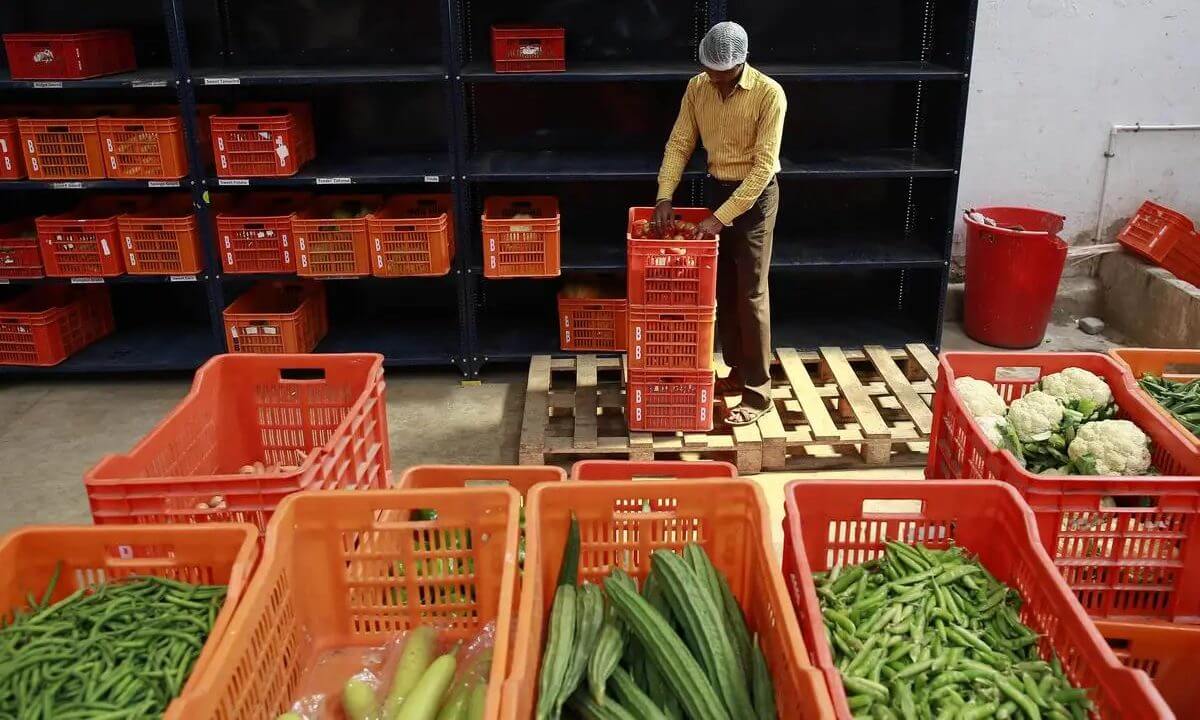
The briefing also highlighted Pakistan’s significant export potential in agricultural products, meat, poultry, dairy, and seafood.
PM Shehbaz emphasized complete monitoring of domestic food demand and supply to meet national needs while leveraging global supply chain disruptions to enhance the export capacity of Pakistani products in the region.
He instructed that Gulf countries’ food requirements be met efficiently, ensuring their food security.
The Prime Minister called for a comprehensive strategy for exporting surplus food items to Gulf countries, maintaining the highest quality standards, and directed Pakistan National Shipping Corporation (PNSC) to take necessary steps for food exports to the Gulf.
Additionally, PM Shehbaz ordered the formation of a committee to review the situation on a daily basis and instructed ambassadors and trade officers stationed in Gulf countries to remain proactive.
The ongoing conflict involving Iran is beginning to push food prices higher across the Persian Gulf region, particularly in the United Arab Emirates, as key sea routes and air cargo operations have been disrupted since late February.
Shipping activity through the strategic Strait of Hormuz has declined, and airlines are rerouting flights to avoid conflict zones, reducing cargo capacity and driving up transportation costs.
These disruptions have delayed shipments of essential food items such as grains, meat, and fresh produce to Gulf markets, increasing supply chain pressures and contributing to rising food inflation in the region.