ISLAMABAD: The federal government is reviewing key policy measures aimed at reducing healthcare costs and promoting digital payments across Pakistan.
According to market analysts, authorities are considering the abolition of the 3 percent Value Added Tax (VAT) on imported finished life-saving medicines listed under the 12th Schedule. The proposed relief is expected to lower the tax burden on essential pharmaceutical products and make critical medicines more affordable for patients.

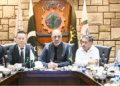
Analysts note that the existing VAT has increased the overall tax incidcence on imported life-saving drugs to approximately 4 percent, compared to the previous 1 percent final GST regime. If the proposal is approved, pharmaceutical importers could benefit from reduced landing costs, improved supply chain efficiency, and smoother availability of essential medicines in the local market.
The move is likely to provide significant relief to patients who rely on imported life-saving drugs, particularly those suffering from chronic and critical illnesses.
Separately, the government is also evaluating measures to discourage large cash transactions at retail outlets, restaurants, and petrol stations as part of efforts to accelerate the adoption of digital payments.
The proposed restrictions on cash payments are aimed at increasing the use of banking channels, improving transaction documentation, and strengthening tax compliance. Officials believe that a broader shift toward electronic payments could enhance financial transparency, improve tax collection, and support the growth of Pakistan’s digital economy.
Both proposals are currently under consideration and could form part of the government’s broader economic and fiscal reform agenda.