KARACHI: Pakistan’s banking sector is expected to report lower earnings in the second quarter of 2026 as the impact of unusually high capital gains recorded by some banks in the previous quarter fades.
The sector’s profit after tax is projected to decline by 10 percent quarter-on-quarter to Rs. 121.9 billion in 2Q2026, compared with Rs. 135.5 billion in the previous quarter. On a year-on-year basis, earnings are expected to fall by around 1 percent, mainly due to higher operating costs and the return of provisioning expenses after reversals recorded during the same period last year.


Profit before tax for the banking sector is estimated at Rs. 254.2 billion, reflecting a 10 percent year-on-year decline and an 11 percent quarterly decrease. A lower effective tax rate of nearly 52 percent is expected to provide partial support against weaker profitability.
Despite pressure on overall earnings, banks are likely to see improvement in their core business performance. Net interest income (NII) is projected to rise 5 percent year-on-year to Rs. 409.4 billion, supported by loan growth, policy rate adjustments, and repricing benefits. On a quarterly basis, NII is expected to increase by 4 percent.
However, non-interest income is expected to remain under pressure, declining 13 percent year-on-year and 31 percent quarter-on-quarter to Rs. 84 billion. Analysts attributed the decline mainly to lower capital gains compared with both the previous quarter and the same period last year.
Provisioning costs are also expected to increase significantly, reaching Rs. 8.5 billion in 2Q2026, compared with a reversal of Rs. 1.3 billion in the same quarter last year. Provisions are forecast to rise around 6.5 times compared with the first quarter of 2026.
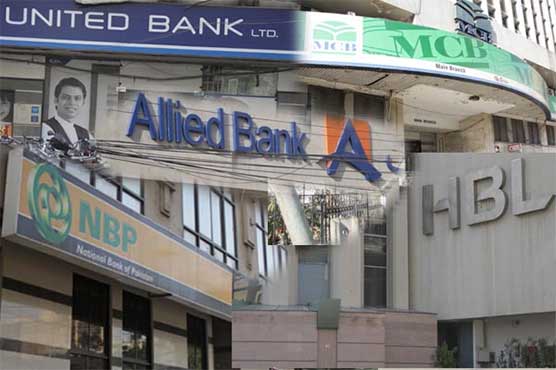
Individual bank performance is expected to remain mixed during the quarter. Meezan Bank Limited is projected to post the highest earnings per share (EPS) among covered banks at Rs. 13.7, representing a 2 percent year-on-year increase. United Bank Limited is expected to record EPS of Rs. 13.6, with the strongest annual growth of 19 percent.
Habib Bank Limited earnings are expected to remain stable, with projected EPS of Rs. 12.2. Meanwhile, Bank Alfalah Limited is expected to face the sharpest decline, with EPS projected to fall 26 percent year-on-year to Rs. 1.9.
National Bank of Pakistan and Bank AL Habib Limited are also expected to record declines of 15 percent and 14 percent, respectively.
Despite lower earnings, dividend payouts are expected to remain stable due to banks’ comfortable capital positions. MCB Bank Limited and UBL are expected to maintain some of the highest quarterly payouts, with projected dividends of Rs. 9 per share and Rs. 8 per share, respectively.
Analysts expect banks’ revaluation reserves to remain largely stable, supported by improved secondary market conditions and repricing of floating Pakistan Investment Bonds.
Market analysts believe that while headline profits may weaken in the short term, the sector’s underlying income streams remain supported by stronger lending activity and a stable capital position.