LAHORE: The Pakistan Industrial and Traders Associations Front (PIAF) has welcomed the government’s decision to provide approximately Rs200 billion in import-duty relief to the industrial sector under the second phase of the Tariff Reform Plan (2025-2030), describing it as a significant step towards reducing production costs, improving industrial competitiveness and promoting export-led economic growth.
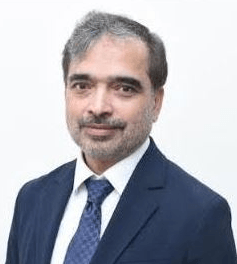
In a statement issued after consultations with representatives of trade bodies, exporters, manufacturers and various industrial sectors, PIAF Chairman Faheemur Rehman Saigol, who is also President of the Lahore Chamber of Commerce and Industry (LCCI), said the proposed tariff rationalisation measures would help address some of the longstanding challenges faced by the country’s industrial sector.

He said Pakistani industries have been struggling with high production costs due to expensive energy, elevated financing costs, multiple taxes and duties, and increasing competition from regional economies. The proposed reduction in additional customs duties (ACD), regulatory duties (RD) and customs duties on thousands of tariff lines would provide substantial relief to manufacturers by lowering the cost of imported raw materials, machinery and industrial inputs.
Faheemur Rehman Saigol observed that the government’s decision to gradually reduce excessive tariff protection in selected sectors reflects a shift towards a more competitive and export-oriented economic framework. He noted that industries operating under very high effective tariff rates often become less efficient and less capable of competing in international markets.
“The objective should be to create a competitive industrial environment that encourages productivity, innovation and investment while ensuring that local industries have sufficient time to adjust to changing market conditions,” he said.
He added that tariff rationalisation would particularly benefit sectors dependent on imported components and raw materials, including engineering, textiles, chemicals, plastics, pharmaceuticals and value-added manufacturing industries. Lower input costs, he said, would ultimately improve the competitiveness of Pakistani products in global markets and support export growth.
The PIAF chairman also appreciated the government’s commitment to continuing the five-year tariff reform programme despite resistance from vested interests benefiting from excessive protection. However, he stressed that tariff reforms alone would not be sufficient to revive industrial growth.
PIAF Senior Vice Chairman Nasrullah Mughal said that businesses require policy consistency and predictability to make long-term investment decisions. He emphasized that investors often hesitate to expand operations when frequent policy changes create uncertainty.
He noted that reducing import duties would help industries modernize their production facilities by making advanced machinery and technology more affordable. Such improvements, he said, are essential if Pakistan wants to compete effectively with regional economies that have already undertaken significant trade and tariff reforms.
Nasrullah Mughal further stated that industrial competitiveness depends not only on tariff structures but also on the overall cost of doing business. He urged policymakers to address issues such as high electricity tariffs, gas shortages, cumbersome regulations and delays in tax refunds.
PIAF Vice Chairman Tahir Manzoor Chaudhry said the government’s efforts to simplify tariff structures should be complemented by broader economic reforms aimed at facilitating industrial expansion and investment. He noted that many businesses continue to face difficulties in accessing affordable financing, particularly small and medium-sized enterprises that form the backbone of the economy.