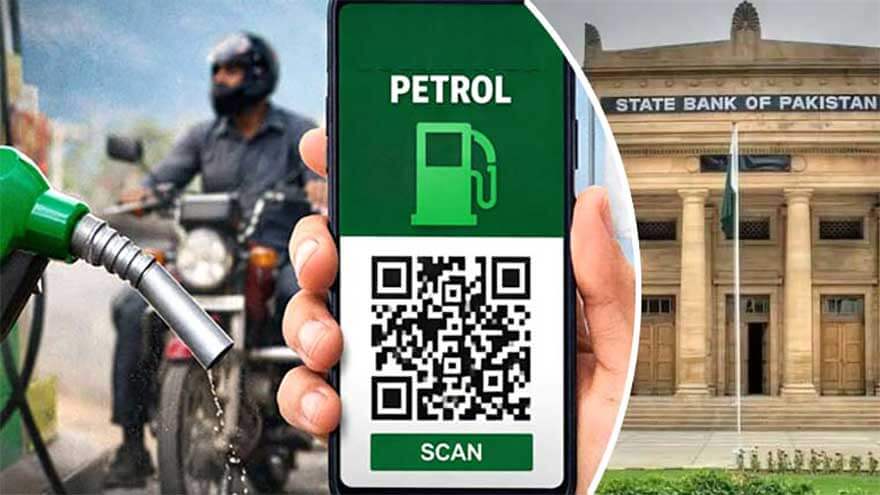
KARACHI: The State Bank of Pakistan (SBP) has announced measures to promote digital payments at petrol stations, including the introduction of a mandatory Raast QR-based payment system across the country.
Under a circular issued by the central bank, all petrol pumps will be required to implement and make the Raast QR payment facility available to customers by January 31, 2027.
The move is aimed at expanding digital payment options and encouraging consumers to use faster and more cost-effective electronic payment methods when purchasing fuel.
The SBP has also introduced a limit on charges applicable to card-based fuel transactions at petrol pumps.
According to the circular, the maximum Merchant Discount Rate (MDR) for fuel purchases made through cards has been fixed at Rs1 per litre.
The central bank has also capped the Interchange Reimbursement Fee (IRF) at 20 paisas per litre.
The revised limits are intended to reduce transaction costs associated with card payments at fuel stations while encouraging greater adoption of electronic payment channels.
Petrol pumps directed to offer Raast
The SBP has instructed petrol pump operators across Pakistan to ensure that Raast QR-based payment facilities are activated within the specified timeframe.
Once implemented, customers will be able to use participating banking applications and digital wallets supporting Raast QR payments to settle their fuel bills.
The initiative forms part of the central bank’s broader efforts to expand Pakistan’s digital payments ecosystem and reduce reliance on cash transactions.
For petrol station operators, the directive means ensuring that the required QR infrastructure is installed and operational before the January 2027 deadline.
The development could also provide consumers with an additional payment option at fuel stations, particularly for customers who prefer account-to-account digital transactions over cash or conventional card payments.
The SBP’s decision to place limits on card-related charges while simultaneously requiring Raast QR availability reflects an effort to make digital payments more accessible and economically viable across the fuel retail sector.
Petrol pumps that fail to establish the required Raast QR payment facility within the prescribed period could face regulatory action under applicable SBP requirements.
The measures are expected to support the wider adoption of digital transactions in Pakistan and contribute to the government and central bank’s efforts to formalise payments and reduce cash-based economic activity.