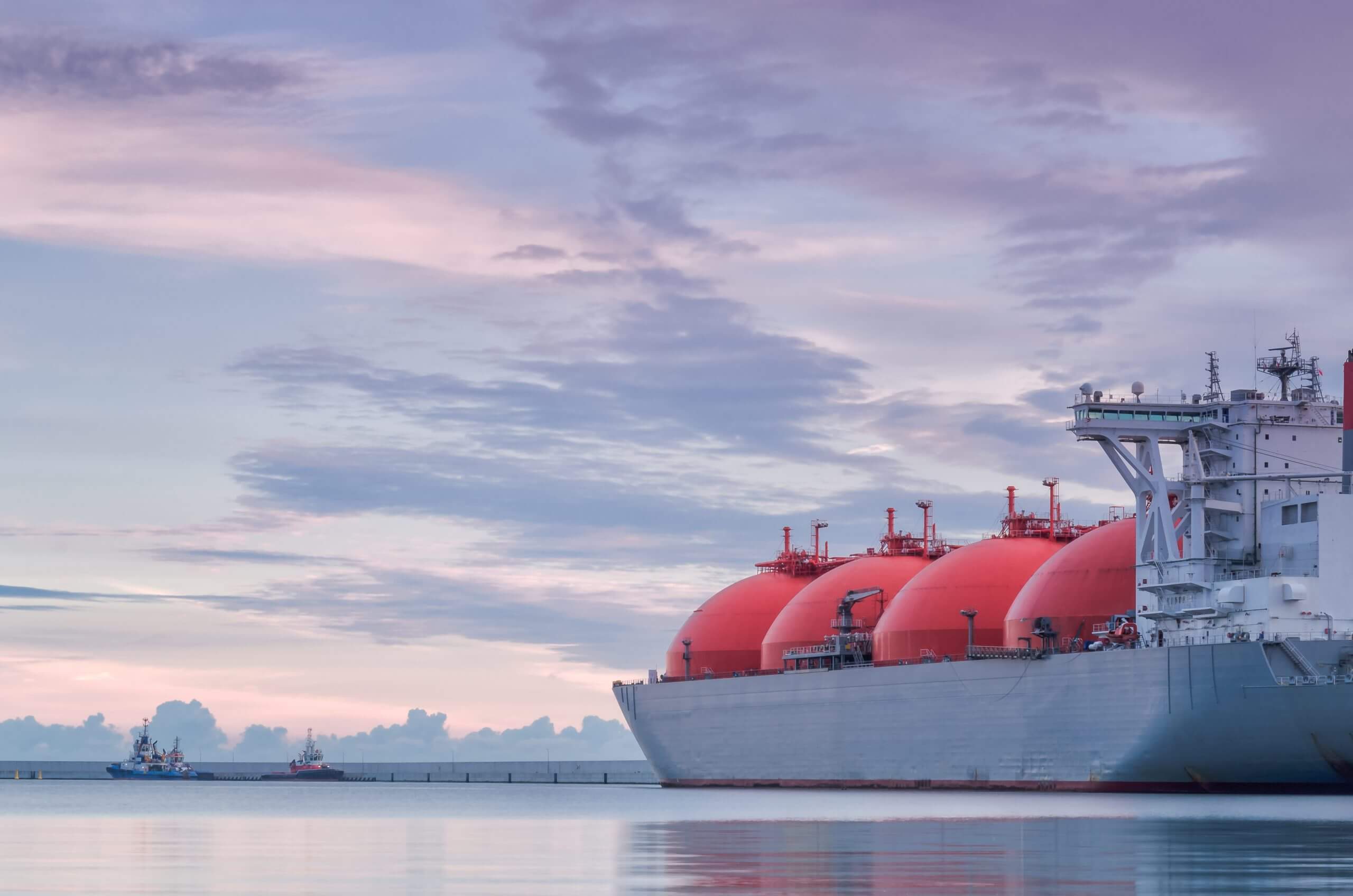
SINGAPORE: The Al Marrouna LNG tanker has crossed the Strait of Hormuz and is heading towards Pakistan’s Port Qasim, marking a rare transit as Qatari LNG exports remain heavily disrupted by the regional conflict, Bloomberg reported.
The vessel was in the Gulf of Oman on Tuesday morning local time and was signalling Port Qasim as its next destination, according to ship-tracking data compiled by Bloomberg. It has a potential arrival date of Thursday and continued broadcasting its location while passing through Hormuz.


The transit comes as several empty Qatari LNG tankers have begun heading back towards the Persian Gulf, suggesting Qatar may be positioning vessels for a potential resumption of exports through the strategic waterway despite the latest escalation between the US and Iran.
Qatar accounted for around one-fifth of global LNG exports before the war but had largely halted shipments after one of its LNG tankers was attacked in late July.
Outbound LNG flows from the Persian Gulf nevertheless remain well below the pre-war level of three shipments per day.
The disruption has pushed gas prices in Europe and Asia to their highest levels in more than three years in recent days, following renewed attacks on vessels and continued constraints on Qatari exports.
A broader resumption of Qatari LNG flows could provide relief to price-sensitive South Asian markets, including Pakistan, which have faced supply shortages and power outages.
Iran said on Monday that an agreement with Oman over management of shipping through the Strait of Hormuz was imminent. Traders are assessing the implications of a potential arrangement, including whether it could strengthen Tehran’s control over the waterway and how the US might respond.
Qatar last month extended force majeure on LNG deliveries to European and Asian customers into October, contributing to elevated international gas prices.
However, the country has continued loading LNG onto available empty tankers inside the Gulf and exporting supplies to Kuwait. The arrangement has allowed Qatar to manage storage levels while keeping parts of its large LNG export complex operating at minimum levels.
Maintaining some production also keeps equipment operational and gives state-owned QatarEnergy greater flexibility to ramp up exports if tensions around the Strait of Hormuz ease.