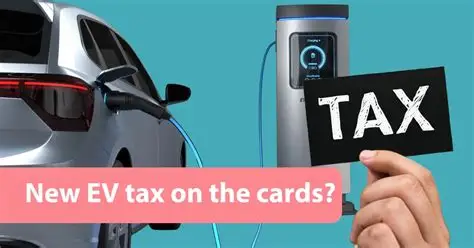
LAHORE: The government’s favorable tax and duty regime for New Energy Vehicles (NEVs), including a flat 1% sales tax, could result in an estimated revenue concession of around Rs150 billion annually, according to former Pakistan Association of Automotive Parts & Accessories Manufacturers (PAPAAM) Chairman Abdul Rehman.
Abdul Rehman said the potential revenue impact is based on estimated annual NEV sales of around 50,000 units and an average reduction or subsidy of approximately Rs3 million in duties and taxes per vehicle.
“Based on current estimates, annual NEV sales could reach around 50,000 units and the average reduction or subsidy in duties and taxes amounts to approximately Rs3 million per vehicle,” he said, adding that the implied revenue concession could reach around Rs150 billion annually.
He described the incentive as a significant fiscal decision, arguing that the government would be foregoing substantial revenue at a time when additional taxation is being considered in other areas.
According to Abdul Rehman, Pakistan does need to transition toward electric mobility, with potential benefits including lower fuel imports, reduced emissions, cleaner transportation and the development of a domestic electric vehicle industry.
However, he questioned whether providing substantial tax and duty concessions for relatively expensive private vehicles is the most effective use of limited fiscal resources.
He said the estimated Rs150 billion annual fiscal cost could alternatively support electric buses, charging infrastructure, electric motorcycles and rickshaws, public transportation systems, and domestic manufacturing of batteries and other EV components.
“The question is not whether NEVs deserve support. The question is whether this is the most equitable and economically productive way to spend that support,” Abdul Rehman said.
He argued that public subsidies should generate an economic and social return proportionate to their fiscal cost.
Abdul Rehman also compared the potential NEV-related revenue concession with government spending on higher education, saying the scale of the incentive should prompt policymakers to reassess national priorities.
He said Pakistan’s young population requires greater investment in universities, skills development, research, technology and employment, while cities require reliable public transportation and the wider economy needs infrastructure and productive investment.
“Good policy is not simply about choosing the right technology. It is about targeting public resources where they produce the greatest economic and social return,” he said.