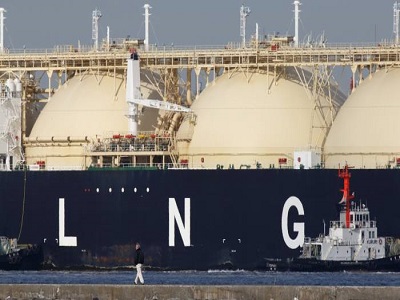
KARACHI: Pakistan’s LNG demand could recover as additional global supply comes online and prices retreat from levels reached following disruptions to Middle Eastern exports, Pakistan LNG CEO Masood Nabi said.
Asian spot LNG prices have risen to nearly $30 per million British thermal units (MMBtu), roughly three times the pre-war level of around $10, after the US-Iran conflict disrupted shipments from Qatar and the United Arab Emirates.


Shell estimates the disruption has removed around 36 million tonnes of Middle Eastern LNG from the global market so far this year.
Qatar and the UAE have been unable to export most of their LNG through the Strait of Hormuz, which previously handled around one-fifth of global LNG supplies.
The resulting price surge has weakened demand across Pakistan, India and China and pushed some gas consumers towards alternative fuels, including coal and oil.
Nabi said Pakistan could see demand return if prices become more affordable as new LNG volumes enter the market. Despite increased solar deployment in the power sector, demand for gas remains among households and other parts of the economy, he added.
The impact has also been felt in India, where price-sensitive industries have switched fuels when gas became uneconomical.
GAIL Chairman Deepak Gupta said India initially restricted gas consumption but has since restored supplies to around 90% to 95% after increasing purchases from alternative sources.
GAIL and PetroChina have sought replacement cargoes to offset disrupted Qatari and Emirati supplies.
Industry executives expect the decline in Asian LNG consumption to prove temporary if prices fall as supply conditions improve.
Around 150 million to 200 million tonnes of additional LNG supply could enter the global market over the next four to five years, according to Gupta.
PetroChina International CEO Luo Yizhou said gas-fired power demand could recover once LNG prices return to a range of $7 to $9 per MMBtu.
ExxonMobil also expects LNG consumption in China to grow substantially over the longer term, supported by import infrastructure along the country’s east coast.
The company maintains a bullish outlook for global LNG demand through 2050.