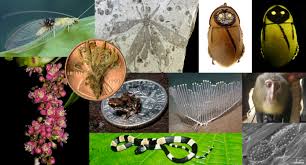
CANADA: Scientists have long harboured dreams of identifying and cataloguing every species in existence, anywhere on the planet. In some cases, it’s easy to tell species apart – a cat versus a dog, or a turtle versus a tulip.
It’s not always that simple. Often, species appear identical to the naked eye. Often, the only way to tell them apart is through DNA.
That’s where DNA barcoding comes in.


In a little over a decade, it’s gone from an idea in the mind of a University of Guelph professor to one of the largest biodiversity research sectors in the world.
About 500,000 new species have been identified by their DNA in that time – bringing the worldwide total to 1.7 million.
Scientists estimate that the real number of species in existence could be 10 million, or even higher.
“We’re discovering a lot of new species even (in) Canada, and this is not a rainforest or anything of that sort,” Dirk Steinke, the director of education at Guelph’s Biodiversity Institute of Ontario, said in an interview.
Paul Ginetta toured the institute while he was searching for an internship.