SYDNEY: ADELAIDE motorists are shaping up the first in Australia to share the road with self-driving cars, with the South Australian government announcing a series of trials of the technology to take place later this year.
“ARRB will establish how driverless technology needs to be manufactured and introduced for uniquely Australian driving behaviour, our climate and road conditions, including what this means for Australia’s national road infrastructure, markings, surfaces and roadside signage”, Waldron said in a statement.
You might also like


ARRB is supervising the trial and Telstra, Bosch and Volvo are also participating, all keen to claim a stake in an emerging technology that Mr Waldron bullishly predicted will begin to enter the Australian market within the next three to five years.
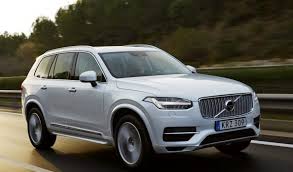
“We are delighted to be involved with the ARRB demonstration event in South Australia, where we believe Volvo auto Australia can make a positive and significant contribution”.
But even though motorists will not see any driverless vehicles on the roads in this trial, researchers say one of the trial’s biggest goals is to make the public more aware of driverless vehicles, what they can do and how close they potentially are to becoming a presence on Australian roads.
‘Driverless cars have a range of benefits that could significantly improve road safety and the quality of life of everyday Australians.’
Earlier this week, a group of companies led by Toyota invested $10 million to develop a testing ground for driverless cars at the University of Michigan in Detroit.
A July 2014 survey of 1533 people, including 505 Australians, found most respondents were concerned to various degrees about riding in A driverless auto.
Volvo Australia technical manager David Pickett said the Australian trial was an expansion of its Swedish “Drive Me” project which aimed to have 100 automated cars in the hands of customers by 2017. Removing the need for a driver will open up a whole new transport opportunity for many of our members, particularly people with disabilities and the elderly.
Supporters of driverless cars argue the technology will transform road safety, by eliminating human error on the roads.
Tesla’s Model S, an electric auto which launched in Australia past year, is expected to receive a software update to effectively drive in “autopilot” in coming months.
Mr Waldron said the Australian trials are “vehicle agnostic” and are about ensuring vehicles perform in the local road environment, rather than the vehicles themselves.
“We’ll take all this as a signal that we’re starting to compare favorably with human drivers”, head of Google’s driverless auto program Chris Urmson wrote in a blog post Thursday.