Customs Today
  • Home
  • Islamabad
  • Karachi
  • Lahore
  • National
  • Transfers and Postings
  • Chambers & Associations
  • Business
No Result
View All Result
Customs Today
  • Home
  • Islamabad
  • Karachi
  • Lahore
  • National
  • Transfers and Postings
  • Chambers & Associations
  • Business
No Result
View All Result
Customs Today
No Result
View All Result
Home International Customs South Africa

African Economic Conference explores impact of foreign aid on domestic tax collection

byCT Report
03/01/2018
in South Africa
Share on FacebookShare on Twitter

CAPE TWON: The discussions taking place at the UN Conference Centre in Addis Ababa have been convened by the AfDB, ECA and the UN Development Programme (UNDP) to examine policies and structures determining the pace of Africa’s economic transformation.

While presenting an academic research paper on the aid effectiveness and the quality of institutions managing foreign aid, Adamasu Maruta, a researcher at the University of South Australia, said foreign aid remains more relevant to the education, health and agriculture sectors compared to other sectors. “Foreign donor organisations and agencies should apply conditions on the institutional quality before they transfer aid because research shows aid is more effective in Asian and South America regions because they have institutions which effectively utilise the aid,” Adamasu said. The session on the “Role of the State and leadership in overcoming barriers to effective structural transformation” also focused on the economics and politics of foreign aid and how it impacts on the domestic revenue collection. Abrams Mbu Enow Tagem, of the University of Nottingham, United Kingdom, argued that foreign aid perpetuated donor-aid dependence. It also weakens the State’s ability to collect its own domestic revenue, he said. In the worst-case scenario, countries with an over-reliance on foreign aid developed a habit of spending foreign aid on development programmes while embezzling locally collected taxes. Tagem also reasoned that states relying mostly on foreign aid tended to focus on tax revenue from a few imported goods while the domestic taxes remained elusive because the governments in some regions lacked the capacity to effectively target taxes from the informal traders and the small industries. “Aid plays a significant role in determining the tax policies,” Tagem argued. He said tax administration reforms and bureaucratic reforms are all required within the states which depend on foreign aid. The session also examined the effects of policies pursued by several African countries to promote industrialisation and the results obtained as a result of the policy interventions.


You might also like

lamic banking assets reach Rs14.47 trillion, sector share rises to 23%

07/03/2026
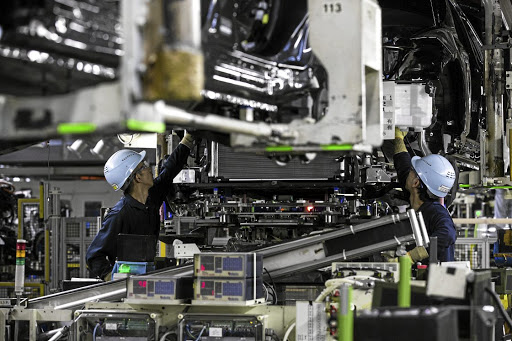
Toyota Motor Corp. employees work on the Crown vehicle production line at the company's Motomachi plant in Toyota City, Aichi, Japan, on Thursday, July 26, 2018. Toyota may stop importing some models into the U.S. if President Donald Trump raises vehicle tariffs, while other cars and trucks in showrooms will get more expensive, according to the automaker’s North American chief. Photographer: Shiho Fukada/Bloomberg

Toyota SA to invest over R4 billion in car assembly and parts

05/02/2020


Related Stories

lamic banking assets reach Rs14.47 trillion, sector share rises to 23%

byCT Report
07/03/2026

KARACHI: Pakistan’s Islamic banking sector expanded during 2025, increasing its share in the country’s financial system with assets reaching nearly...

Toyota Motor Corp. employees work on the Crown vehicle production line at the company's Motomachi plant in Toyota City, Aichi, Japan, on Thursday, July 26, 2018. Toyota may stop importing some models into the U.S. if President Donald Trump raises vehicle tariffs, while other cars and trucks in showrooms will get more expensive, according to the automaker’s North American chief. Photographer: Shiho Fukada/Bloomberg

Toyota SA to invest over R4 billion in car assembly and parts

byadmin
05/02/2020

Toyota SA Motors (TSAM) has announced a R4.28bn investment in local vehicle assembly and parts supply. Speaking at the company’s...

Toyota Motor Corp. employees work on the Crown vehicle production line at the company's Motomachi plant in Toyota City, Aichi, Japan, on Thursday, July 26, 2018. Toyota may stop importing some models into the U.S. if President Donald Trump raises vehicle tariffs, while other cars and trucks in showrooms will get more expensive, according to the automaker’s North American chief. Photographer: Shiho Fukada/Bloomberg

Toyota SA to invest over R4 billion in car assembly and parts

byadmin
03/02/2020

Toyota SA Motors (TSAM) has announced a R4.28bn investment in local vehicle assembly and parts supply. Speaking at the company’s...

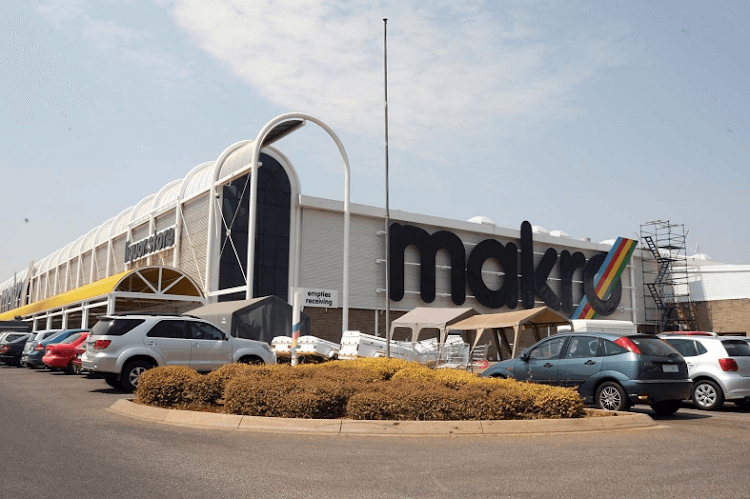
Massmart warns of almost R1.4bn loss as SA consumers struggle

byadmin
30/01/2020

Walmart-owned retailer Massmart, whose brands include Makro and Game, warned on Thursday it had swung into a loss in its...

Next Post

KPT shipping intelligence report

  • Terms and Conditions
  • Disclaimer

© 2011 Customs Today -World's first newspaper on customs. Customs Today.

No Result
View All Result
  • Transfers and Postings
  • Latest News
  • Karachi
  • Islamabad
  • Lahore
  • National
  • Chambers & Associations
  • Business
  • About Us

© 2011 Customs Today -World's first newspaper on customs. Customs Today.