Customs Today
  • Home
  • Islamabad
  • Karachi
  • Lahore
  • National
  • Transfers and Postings
  • Chambers & Associations
  • Business
No Result
View All Result
Customs Today
  • Home
  • Islamabad
  • Karachi
  • Lahore
  • National
  • Transfers and Postings
  • Chambers & Associations
  • Business
No Result
View All Result
Customs Today
No Result
View All Result
Home International Customs South Africa

Africa’s trade agreements remain unfulfilled

byCT Report
07/04/2018
in South Africa
Share on FacebookShare on Twitter

CAPE TWON: Africa will remain unanswered unless all countries strive to fulfil agreements to the letter unlike piece-meal legislation, a leading economist has noted.  

Key among the trade agreements that have been signed and not ratified are the Comesa Free Trade Area (FTA) and the recently signed Continental Free Trade Area (CFTA) in which 44 African countries signed various agreements during the just-ended AU Summit in Rwanda but remain to be ratified.


You might also like

lamic banking assets reach Rs14.47 trillion, sector share rises to 23%

07/03/2026
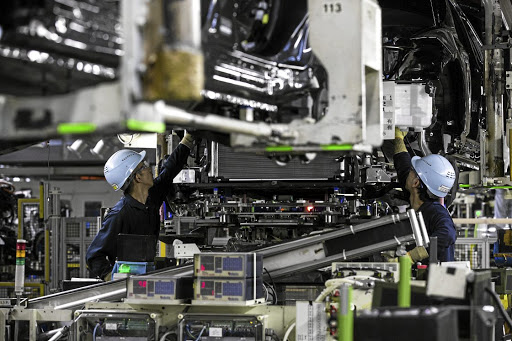
Toyota Motor Corp. employees work on the Crown vehicle production line at the company's Motomachi plant in Toyota City, Aichi, Japan, on Thursday, July 26, 2018. Toyota may stop importing some models into the U.S. if President Donald Trump raises vehicle tariffs, while other cars and trucks in showrooms will get more expensive, according to the automaker’s North American chief. Photographer: Shiho Fukada/Bloomberg

Toyota SA to invest over R4 billion in car assembly and parts

05/02/2020

Sindiso Ngwenya, the Comesa Secretary-General, noted that while there has been a zeal to append signatures on various trade treaties, the majority of agreements still remain on the shelves, unratified to make them fully operational and bolster intra-trade growth in the 54 member states.

In an interview with The Southern Times in Lusaka, Ngwenya, the outgoing chief administrator of 25-year-old Comesa, noted that while there has been increasing zeal for countries in various groupings to sign agreements and necessitate their operationalisation, many have remained on the drawing board, incomplete because they are not ratified to the letter.

The Tripartite FTA brings together a population of 700 million people with an estimated Gross Domestic Product of well over US$1.4 trillion. It is envisaged the TFTA will help improve intra-Africa trade by eliminating and reducing tariffs and non-tariff barriers.

Last year, Mauritius signed the COMESA-EAC-SADC regional trade framework.  With that country’s Minister of Foreign Affairs, Regional Integration and International Trade, Seetanah Lutchmeenaraidoo, signing the agreement in Ebene Cybercity, which was witnessed by Ngwenya.

The tripartite agreement was launched in June 2015. Currently, only Egypt and Uganda have signed and ratified the agreement. A minimum of 14 countries is required to ratify the agreement for it to come into force.

African leaders made history on 21 March 2018, when they came together in Kigali, Rwanda, to sign an agreement that will launch the African Continental Free Trade Area (AfCFTA), which will make the continent the largest free trade area created since the formation of the World Trade Organisation.

During the Summit, more than 40 countries, South Africa included, signed an agreement for the establishment of a free trade area that is intended to create the world’s largest market.

The Africa Continental Free Trade Area agreement seeks to, among other things, bring together all the 55-member countries of the African Union to trade tariff-free.

Related Stories

lamic banking assets reach Rs14.47 trillion, sector share rises to 23%

byCT Report
07/03/2026

KARACHI: Pakistan’s Islamic banking sector expanded during 2025, increasing its share in the country’s financial system with assets reaching nearly...

Toyota Motor Corp. employees work on the Crown vehicle production line at the company's Motomachi plant in Toyota City, Aichi, Japan, on Thursday, July 26, 2018. Toyota may stop importing some models into the U.S. if President Donald Trump raises vehicle tariffs, while other cars and trucks in showrooms will get more expensive, according to the automaker’s North American chief. Photographer: Shiho Fukada/Bloomberg

Toyota SA to invest over R4 billion in car assembly and parts

byadmin
05/02/2020

Toyota SA Motors (TSAM) has announced a R4.28bn investment in local vehicle assembly and parts supply. Speaking at the company’s...

Toyota Motor Corp. employees work on the Crown vehicle production line at the company's Motomachi plant in Toyota City, Aichi, Japan, on Thursday, July 26, 2018. Toyota may stop importing some models into the U.S. if President Donald Trump raises vehicle tariffs, while other cars and trucks in showrooms will get more expensive, according to the automaker’s North American chief. Photographer: Shiho Fukada/Bloomberg

Toyota SA to invest over R4 billion in car assembly and parts

byadmin
03/02/2020

Toyota SA Motors (TSAM) has announced a R4.28bn investment in local vehicle assembly and parts supply. Speaking at the company’s...

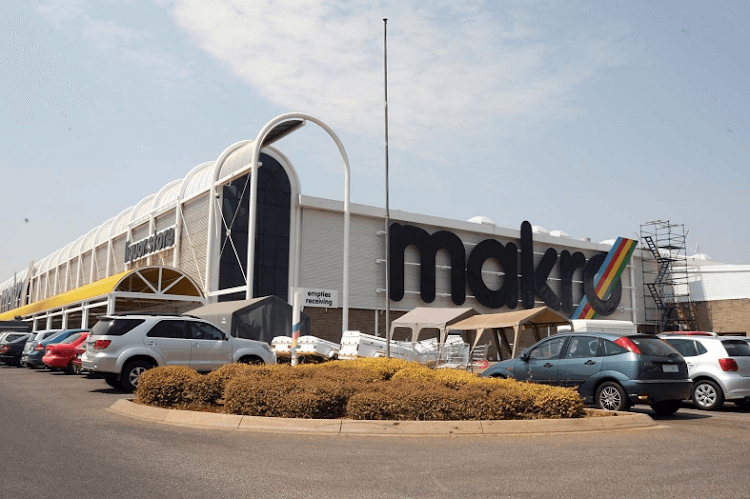
Massmart warns of almost R1.4bn loss as SA consumers struggle

byadmin
30/01/2020

Walmart-owned retailer Massmart, whose brands include Makro and Game, warned on Thursday it had swung into a loss in its...

Next Post

Vietnam’s fruit vegetable exports up 33.4 percent in Q1

  • Terms and Conditions
  • Disclaimer

© 2011 Customs Today -World's first newspaper on customs. Customs Today.

No Result
View All Result
  • Transfers and Postings
  • Latest News
  • Karachi
  • Islamabad
  • Lahore
  • National
  • Chambers & Associations
  • Business
  • About Us

© 2011 Customs Today -World's first newspaper on customs. Customs Today.