
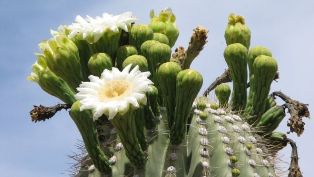


PARIS: Almost one-third of cactus species are under threat as a result of over-harvesting and illegal trade in the plants, a global study has concluded.
Conservationists voiced concern, saying the level of threat to cacti was much greater than previously thought.
The plants are a vital component of arid ecosystems, providing a source of food and water for many animals.
The results of the assessment by the International Union for Conservation of Nature appear in Nature Plants journal.
According to the study, 31% of the world’s 1,480 cactus species were under pressure from human activity, such as illegal trading, agriculture and aquaculture as well as land-use change.
“The results of this assessment come as a shock to us,” said lead author Barbara Goettsch, co-chairwoman of the IUCN’s Cactus and Succulent Plant Specialist Group.
“We did not expect cacti to be so highly threatened and for illegal trade to be such an important driver of their decline.”
The assessment reported that the illegal trade of live plants and seeds for the horticultural industry and private collections, as well as their unsustainable harvesting, affected 47% of threatened species.
These plants which have evolved to cope with the harsh conditions found in arid landscapes are native to North and South America, with exception of one species that is native in southern Africa and South Asia.
Although cacti are a familiar sight in other regions, such as Europe and Australia, these plants have been introduced to these landscapes either intentionally or accidentally.
Many species are highly sought after by collectors for their attractive flowers, and half of the species are used as a source of food or medicine.

Karachi Port sets 138-year cargo handling record
KARACHI: Pakistan's maritime sector has achieved a major milestone as Karachi Port set a new record in its 138-year history...


