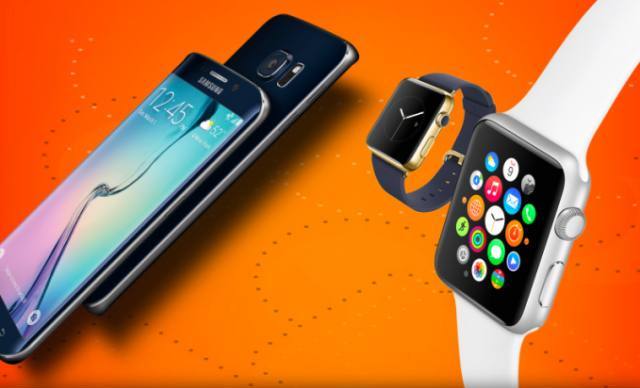
WASHINGTON: Lithium batteries have been a boon for the modern world replacing the heavier, single-use alkaline type in everything from wristwatches to jumbo jets.
Unfortunately, these rechargeable batteries are already struggling to keep up with our ever-increasing energy needs, especially for mobile phones, and they are also far from environmentally friendly.
You might also like


A big deal this month has gotten little attention. “Our new battery won’t catch fire, even if you drill through it,” said Hongjie Dai, a professor of chemistry at Stanford University, in Nature magazine. He was talking about an aluminium-ion battery designed to replace the more expensive — and fire/explosion prone — lithium-ion battery.
But safety as big an issue as it is isn’t the big news about this battery. The experimental battery, said Dai, has “unprecedented charging times” — as low as one minute for the prototype.
Moreover, the Stanford team said the battery was good for 7,500 recharging cycles — about seven times that of typical lithium-ion batteries.
And aluminium costs less than lithium. Sound too good to be true? One expert from the battery industry thinks so.
Elon Musk, the CEO and product architect for Tesla Motors, tweeted shortly after the announcement: “Battery ‘breakthroughs’ need to state power *and* energy density (not the same thing), plus how long they last. They usually fail on energy.”
Energy density is a measure of the amount of energy a battery has in relation to its weight. The aluminum-ion has an energy density of about 40 watts per kilogram; lithium-ion batteries have an energy density between 100 and 260 watts per kilogram.
But Dai told reporters the energy density is currently the only concern: “I see this as a new battery in its early days. It’s quite exciting. (Other than energy density) our battery has everything else you’d dream that a battery should have: inexpensive electrodes, good safety, high-speed charging, flexibility and long cycle life.”