LONDON: One by one, the observatories sounded the alarm in the past few years—from the peak of Mauna Loa in Hawaii, and the top of the Greenland ice sheet—as the amount of carbon dioxide in the Earth’s atmosphere crept above 400 parts per million (ppm).
The last alarm bells went off this week, when scientists announced that the Halley Research Station in Antarctica, as well as a monitoring post at the geographic South Pole, both located amid the most pristine air on the planet, have now passed the 400 ppm mark.
In other words, at every location on Earth where scientists routinely monitor carbon dioxide levels, we are now entering uncharted territory for humanity.
For reference, carbon dioxide levels were at about 280 ppm at the start of the industrial revolution, when humans began burning fossil fuels for energy. They have marched upward at increasing rates ever since.
According to Pieter Tans, the lead scientist for the Global Greenhouse Gas Reference Network, 400 ppm is the highest level that carbon dioxide levels have reached in at least 4 million years.
Carbon dioxide concentrations in the northern hemisphere have already eclipsed the 400 ppm milestone. These observatories are located closer to pollution sources, and this elevates the observed carbon dioxide levels.
However, it takes a while for carbon dioxide to reach Antarctica.
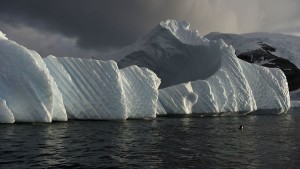
“This is the first time a sustained reading of 400 ppm, over the period of a day, has been recorded at a research station on the ice,” according to a press release from the British Antarctic Survey.
“The remoteness of the Antarctic continent means it is one of the last places on Earth to see the effects of human activities, but the news that even here the milestone of carbon dioxide levels reaching 400 parts per million has been reached shows that no part of the planet is spared from the impacts of human activity,” said David Vaughan, director of science at the Antarctic Survey, in a press release.
“… Today at Halley Station, CO2 is rising faster than it was when we began measurements in the 1980s. We have changed our planet to the very poles.”
A separate press release from the U.S. National Oceanic and Atmospheric Administration said the South Pole observation occurred on May 23, but was announced on June 15.
In 2015, the global average carbon dioxide level was 399 ppm, and it’s expected that each month in 2016 will likely see carbon dioxide levels remain above 400 ppm for the first time.
“We know from abundant and solid evidence that the CO2 increase is caused entirely by human activities,” Tans said. “Since emissions from fossil fuel burning have been at a record high during the last several years, the rate of CO2 increase has also been at a record high.”
While scientists have ice core samples of carbon dioxide levels and temperatures dating back to about 800,000 years ago, they also have evidence from seafloor sediment of what Earth’s conditions were like dating back to about 4 million years ago, Tans told Mashable via email.
However, those measurements are not as precise as the ice core records, Tans said.
Because of the long atmospheric lifetime of carbon dioxide, it is not likely to fall below this level again in most of our lifetimes, even if the most aggressive emissions reduction plans are pursued.
A single molecule of carbon dioxide can remain in the atmosphere for hundreds to thousands of years.